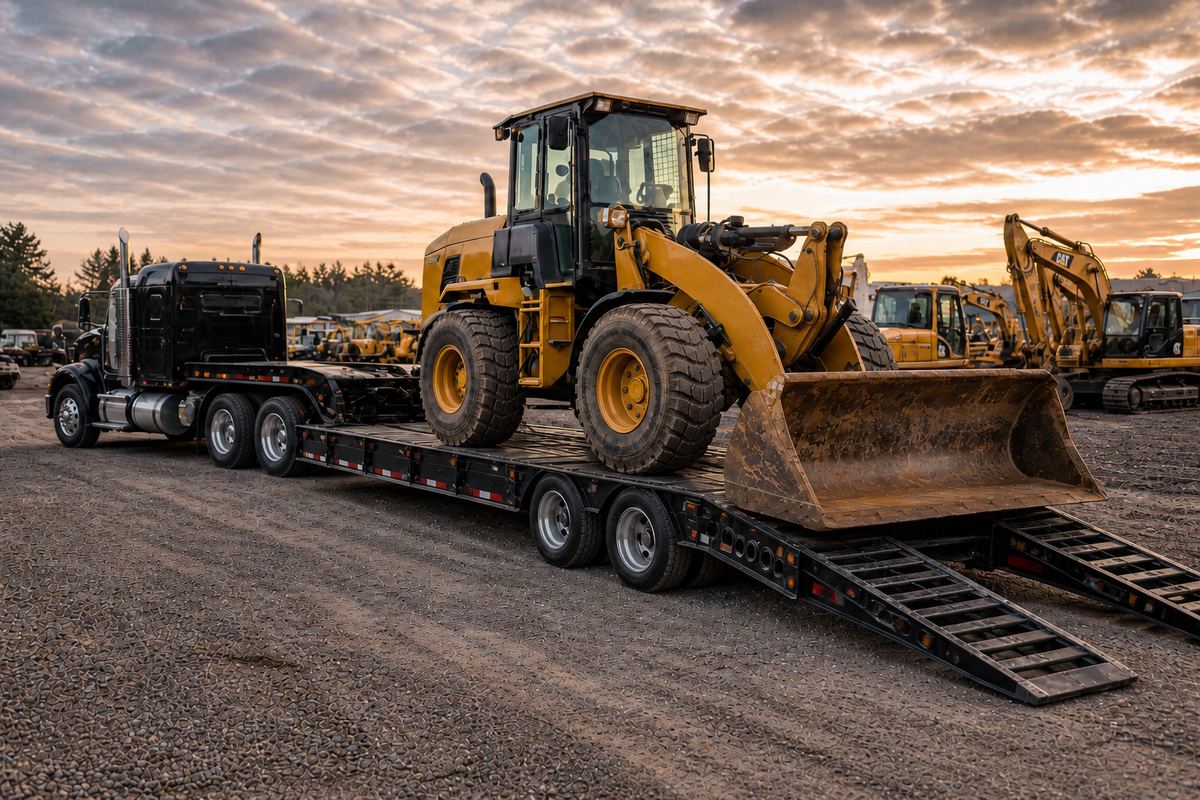
Release comes before pickup
Winning or buying the vehicle is not always the same as having it ready for pickup. The yard may need payment confirmation, release paperwork, buyer instructions, appointment details, or a specific pickup window.
Before requesting transport, confirm the auction or seller has released the vehicle and that the pickup contact knows who is allowed to collect it.
A carrier cannot pick up a vehicle that the yard has not released, even if the buyer has already paid.
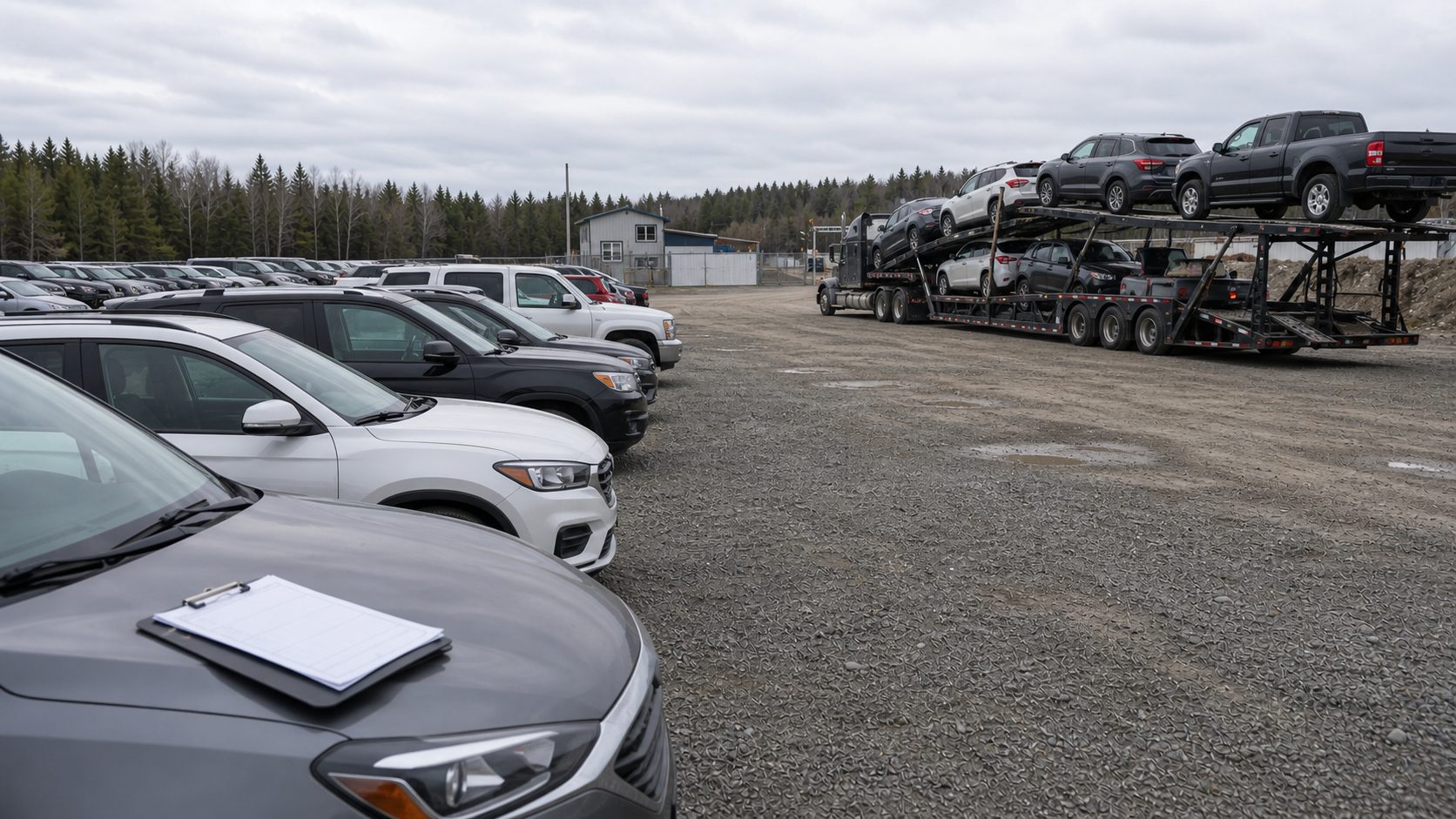
Condition should be confirmed, not assumed
Auction listings may describe a vehicle as running, non-running, damaged, starts, or unknown. Those terms are useful, but they may not answer every loading question.
Send what the listing says, then add any current yard details if available. Keys, tire condition, steering, brakes, damage, and blocked access can all affect pickup.
Confirm keys, starts, drives, tires, and yard release.
Confirm whether it rolls, steers, has keys, and can be accessed for loading.
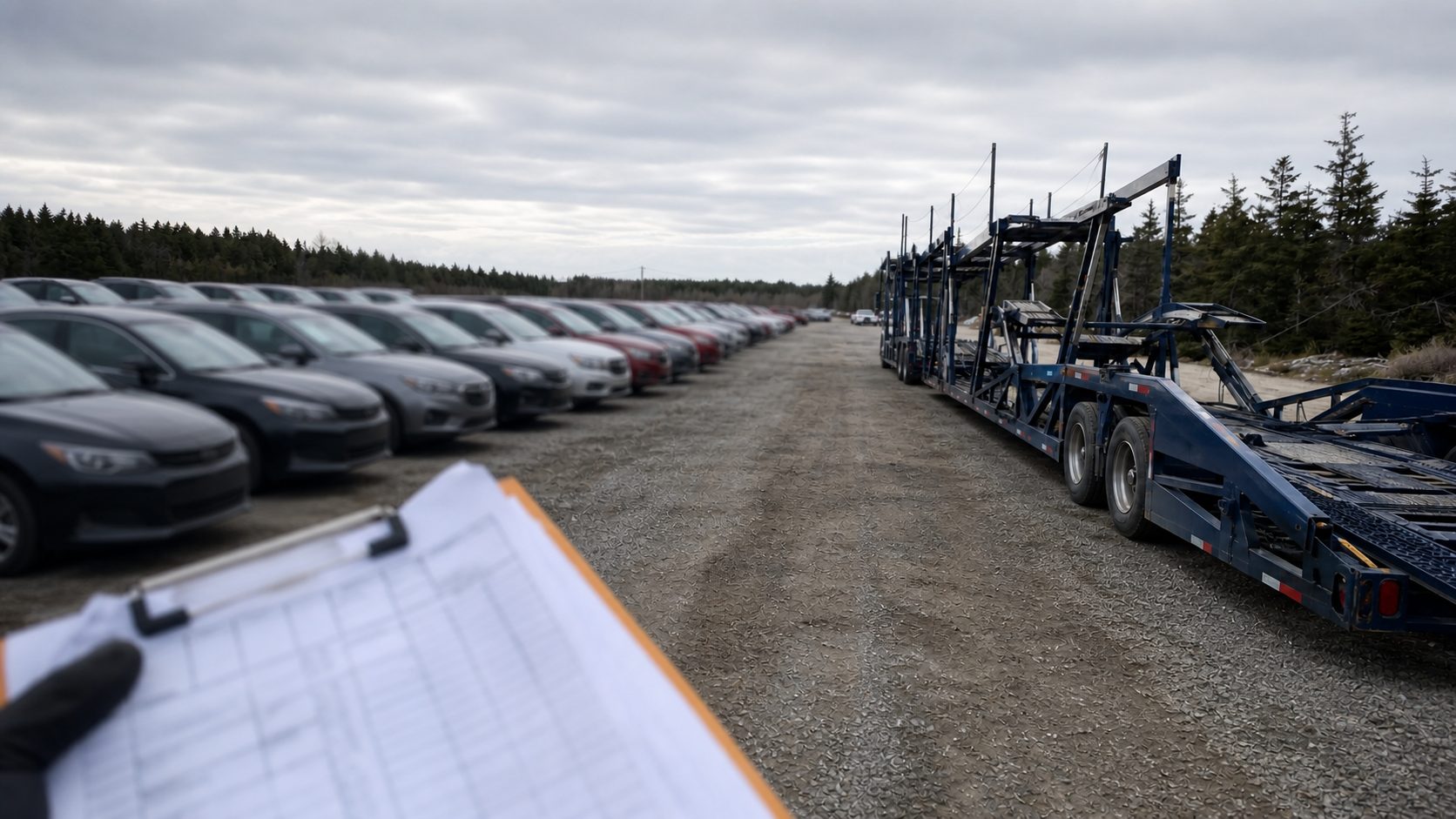
Photos and lot numbers help the driver find the right unit
Auction yards can have many similar vehicles. Lot number, stock number, lane, location, and current photos reduce confusion.
Listing photos are a start, but a current photo can confirm the vehicle has not changed, been moved, or had access blocked by other units.
Delivery contact should be ready too
The delivery side matters even when the urgent focus is getting the vehicle out of the auction yard. The destination needs a contact, safe unloading space, and timing expectations.
If the vehicle is going to a buyer, dealer, repair shop, storage lot, or rural address, include those details with the quote request.
Auction buyers often focus on release deadlines because storage fees or yard rules create pressure. That is understandable, but the delivery end still needs to be ready before the carrier is committed.
- Auction name and lot number
- Release confirmation
- Keys and condition notes
- Pickup appointment rules
- Delivery contact and unloading location
What makes auction vehicles different
Auction vehicles often come with less certainty than dealer or private-party moves. The buyer may not have seen the vehicle in person. The listing condition may be brief. The yard may have its own release process and loading rules.
That does not make auction pickup unusual for BEMAC, but it does mean the quote request should connect the auction details with current pickup reality. Lot number, release, keys, condition, photos, and delivery contact all work together.
A smoother auction vehicle pickup sequence
The cleanest auction vehicle pickups usually follow a simple order. Confirm the vehicle is paid for and released. Confirm the lot number and yard location. Confirm keys and condition. Send current photos if possible. Confirm the delivery contact and unloading location.
That sequence prevents the most common disconnects. The driver is not trying to find a vague unit in a busy yard. The yard knows the vehicle is released. The buyer understands whether the vehicle can load normally. The receiving end knows when and where the vehicle can be unloaded.
The result is a pickup that feels organized rather than improvised.
That matters because auction yards are busy places with their own process. A little preparation from the buyer can save time for the yard, the carrier, and the person receiving the vehicle. It also helps prevent storage deadlines or release windows from turning into last-minute pressure.