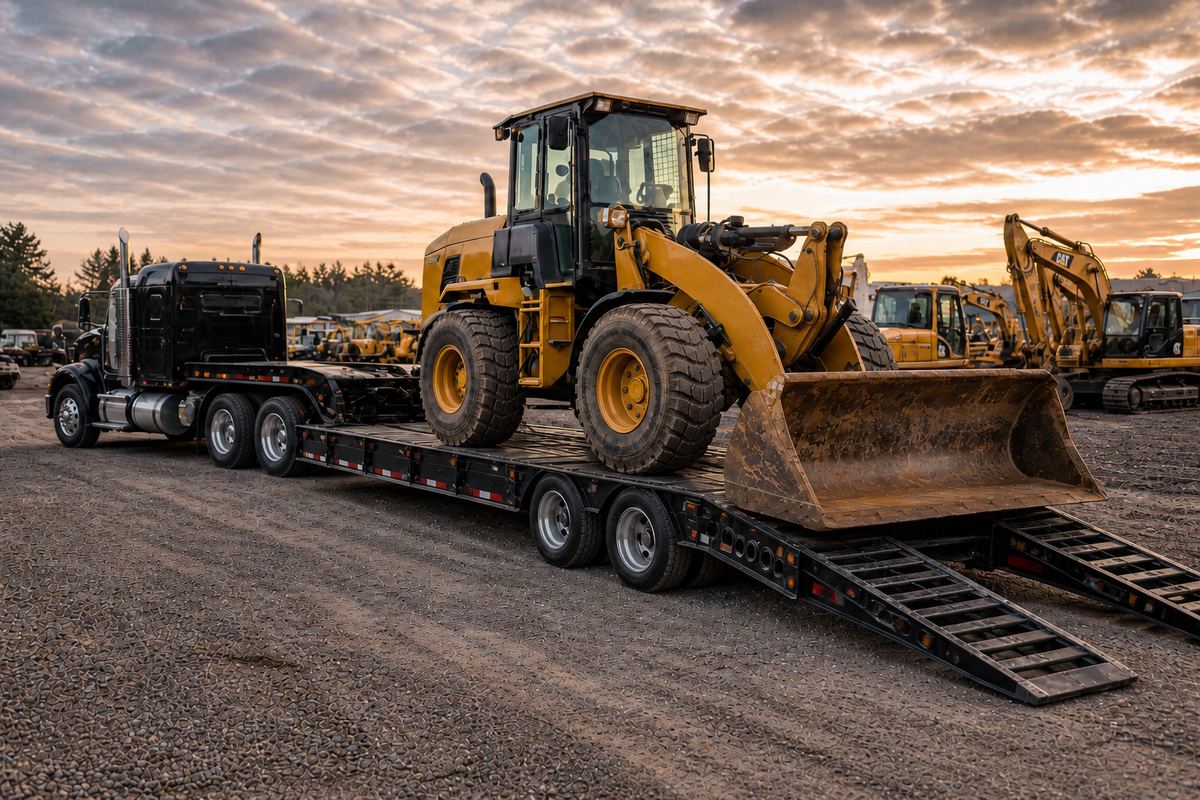
Start once the purchase is actually confirmed
Online listings and auction results can move quickly. The buyer wins the lot, finds a machine at a good price, or agrees to a private sale, and the next question is usually: how do we get it moved? Transport planning works best once the purchase, seller, pickup location, and release process are clear.
Before scheduling a pickup, confirm whether the unit is paid for, released, and available to be loaded. This is the first place many auction and online purchases slow down. A unit may be sold, but the yard may not release it yet. A seller may be available by message, but not available on site. A dealer may need paperwork completed before a driver can load.
If the seller is a private party, dealer, auction yard, or third-party storage yard, include that detail in the quote request. Each pickup type can have different hours, paperwork, contacts, and loading rules.
A unit that is bought but not released cannot be picked up. Confirm release before treating the pickup as ready.
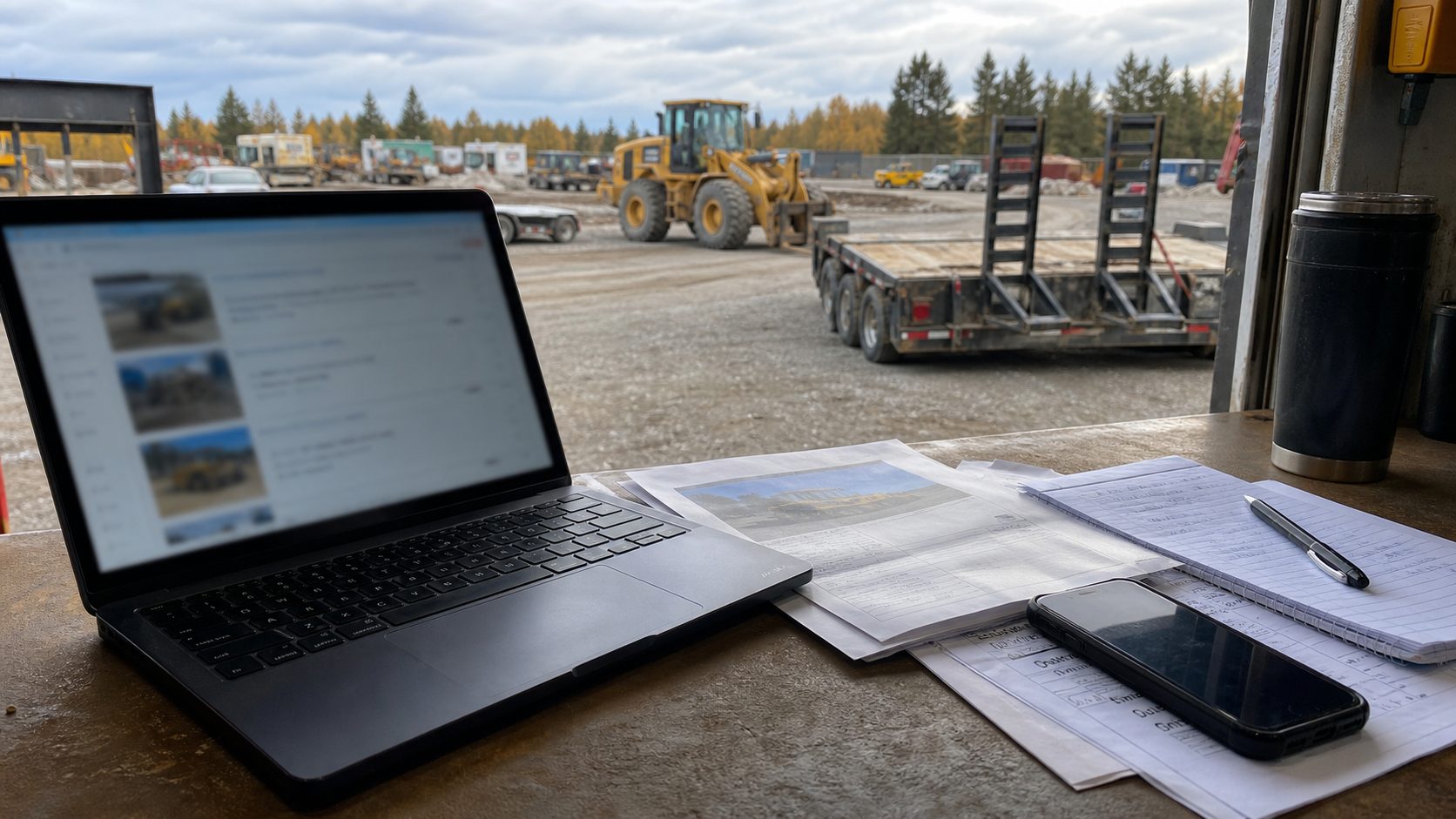
Unknown condition should be treated honestly
Auction and online equipment listings may not include everything needed for transport. The machine may have missing attachments, dead batteries, flat tires, track issues, unknown dimensions, or loading limitations that were not obvious from the listing. Sometimes the listing is accurate but incomplete; sometimes the unit has changed since the photos were taken.
If condition is uncertain, say so. A realistic unknown is better than a confident guess that sends the wrong equipment or plan to the pickup point. Transport review can work with uncertainty when it is clearly described. It is harder when a machine is assumed to run, assumed to load itself, or assumed to include no extra attachments, and then the pickup contact says otherwise.
The useful question is: what do we know, who confirmed it, and what still needs to be checked before dispatch?
Seller says it starts, but no one has confirmed it will drive onto a trailer.
Listing says operational, but no current photos or pickup contact have confirmed condition.
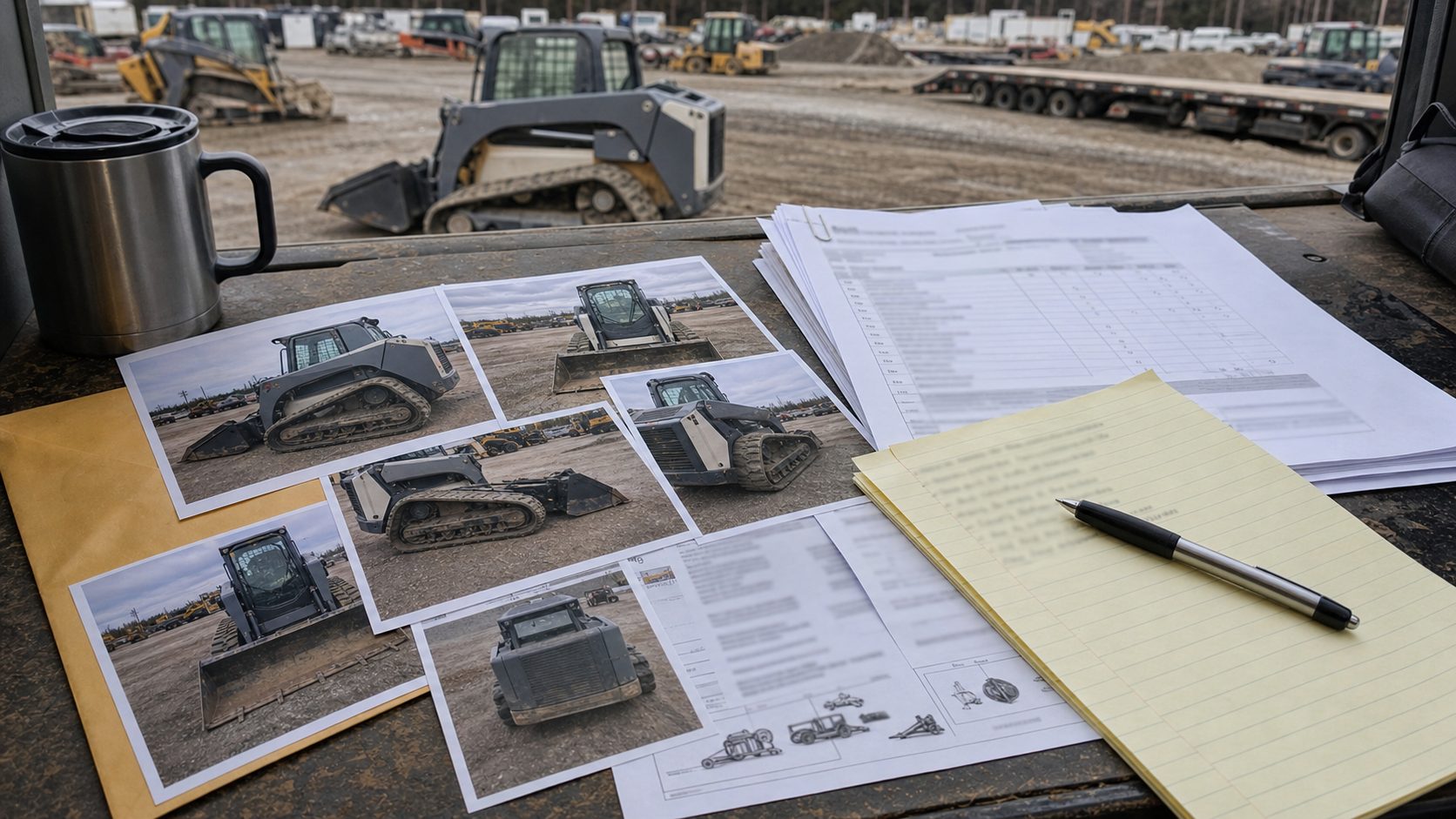
Photos and lot details fill in the gaps
Photos help turn a listing into a transport plan. They show machine size, attachments, condition, access, and whether anything about the pickup may affect loading. Listing photos are useful, but current photos from the seller or yard are better when available.
The lot number or stock number matters because it helps the pickup contact find the right unit. Release instructions matter because they tell the driver what the yard requires before loading. Pickup appointment rules matter because some yards will not load outside their process, even if the buyer and driver are ready.
A strong transport request connects the listing to the real pickup: here is what was bought, here is where it sits, here is who releases it, and here is what it looks like now.
A screenshot can start the conversation, but current photos and release details are what make the pickup easier to plan.
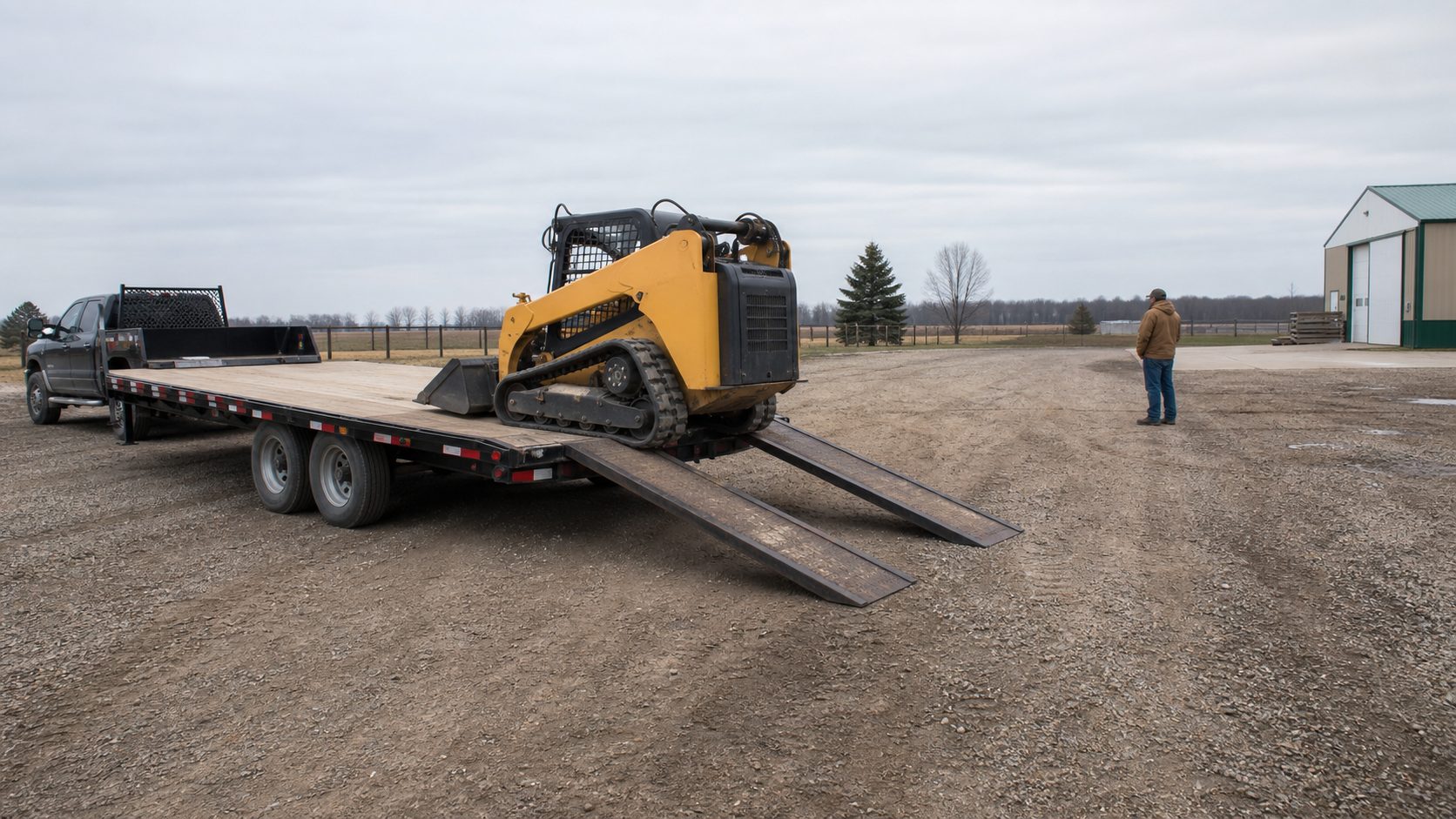
Pickup access and loading support need a real contact
The pickup contact matters because they know where the unit is parked, when the yard is open, whether loading support is available, and whether a truck and trailer can access the site. Without that person, a driver can arrive with the right plan and still lose time finding the unit or getting it released.
For private sellers, ask whether there is room for a trailer and whether the machine can be started or moved. For yards and auctions, confirm hours, release process, lot location, and loading rules. For third-party storage locations, ask who has authority to release the unit and whether they can help with loading.
This is also the point where access photos can help. A seller may say there is room, but a wide photo of the driveway, yard, or loading area tells a clearer story.
Confirm driveway access, machine condition, and whether someone will be present.
Confirm release, yard hours, lot location, and pickup appointment rules.
Plan delivery before the driver is dispatched
Delivery details should be ready before pickup. The destination needs a reachable contact, clear unloading location, enough space for the truck and trailer, and any notes about gates, roads, ground surface, or timing. It is easy to focus on getting the unit released from the seller and forget that the delivery end needs the same level of practical detail.
If the equipment is headed to a farm, jobsite, storage yard, or remote location, include those details with the quote request. A machine going to an open contractor yard is different from one going down a narrow lane, into a muddy field, or to a site with limited unloading space.
The best move is reviewed from purchase to delivery, not only from yard to highway.
- Seller or auction release details
- Current photos and lot information
- Pickup contact and loading support
- Machine condition and attachments
- Delivery contact and unloading access
The pickup may be the urgent part after an auction, but delivery access still needs to be practical before the move is scheduled.
A better sequence for buyers
The easiest way to think about transport after an online or auction purchase is as a sequence. First, confirm the purchase and release. Second, confirm what the unit is and what condition it is in. Third, confirm who can help at pickup. Fourth, confirm the delivery contact and access. Once those pieces are clear, the quote can be reviewed around the actual move.
That sequence helps buyers avoid a common problem: trying to book transport before the unit is actually ready. It also helps separate urgent details from details that can follow. A lot number, release status, and pickup contact are urgent. Exact weight may be useful but can sometimes be supported by a model plate or listing. Delivery access is easy to forget, but it should be confirmed before dispatch.
The goal is not to make buying equipment harder. The goal is to prevent the purchase from turning into a pickup delay because nobody had the right contact, release, photos, or unloading plan ready.
For repeat auction buyers, this process becomes familiar. For first-time buyers, it can feel like a lot of small details. The important thing is that each detail answers a real transport question: can the unit be released, can it be found, can it be loaded, can it travel as described, and can it be received at the other end?
When those questions are answered early, BEMAC can spend less time sorting out the basics and more time reviewing the actual route and timing.
It also gives the seller or yard a clearer role. They are not just a name on a bill of sale; they may be the person who confirms release, locates the unit, opens the gate, provides loading support, or explains why the listing details are incomplete. Getting that contact right can make the difference between a clean pickup and a wasted trip.
For the buyer, the benefit is confidence. Instead of hoping the driver can sort everything out at the gate, the buyer has already connected the purchase details, release process, pickup contact, machine condition, and delivery plan into one usable transport request before scheduling the move. That makes the quote more useful and the pickup less fragile for everyone involved.