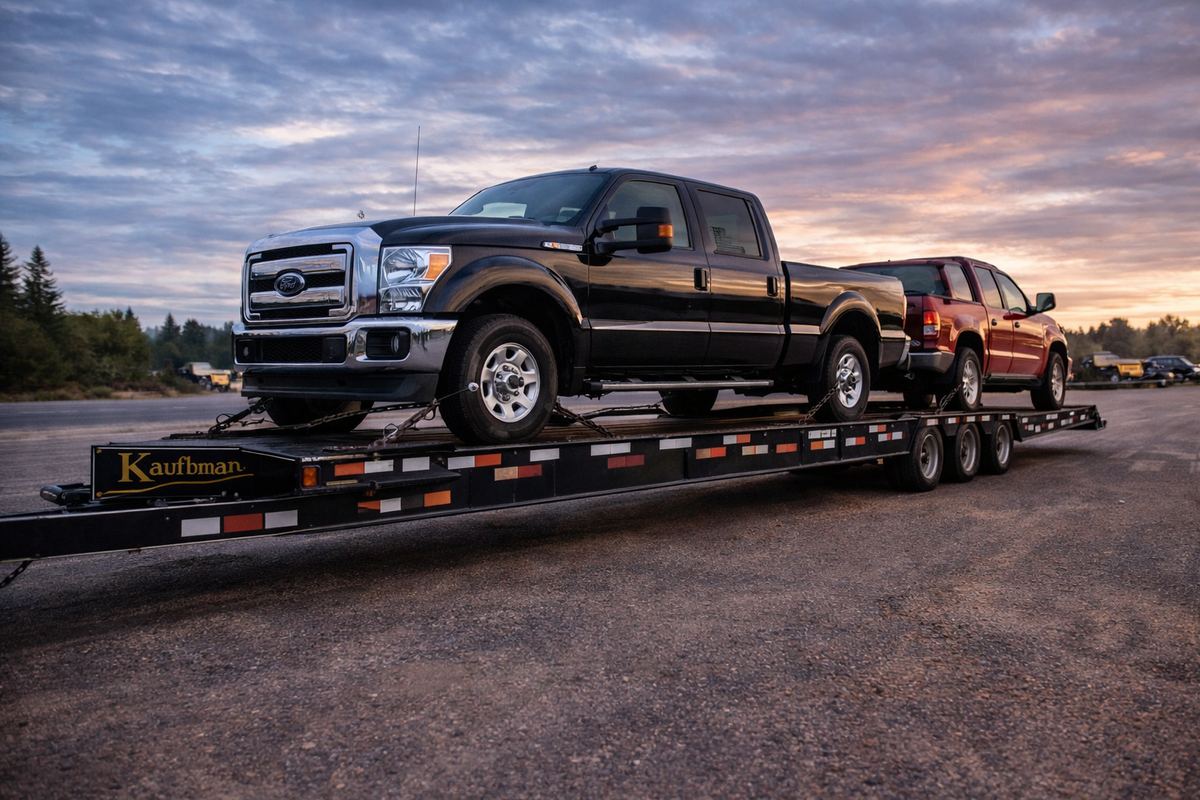
Confirm the seller is ready to release
A seller may have agreed to sell, but pickup still depends on payment, paperwork, keys, and availability. Confirm the seller knows a carrier will contact them and that the unit is ready to leave.
Transport should not be scheduled around assumptions about seller readiness.
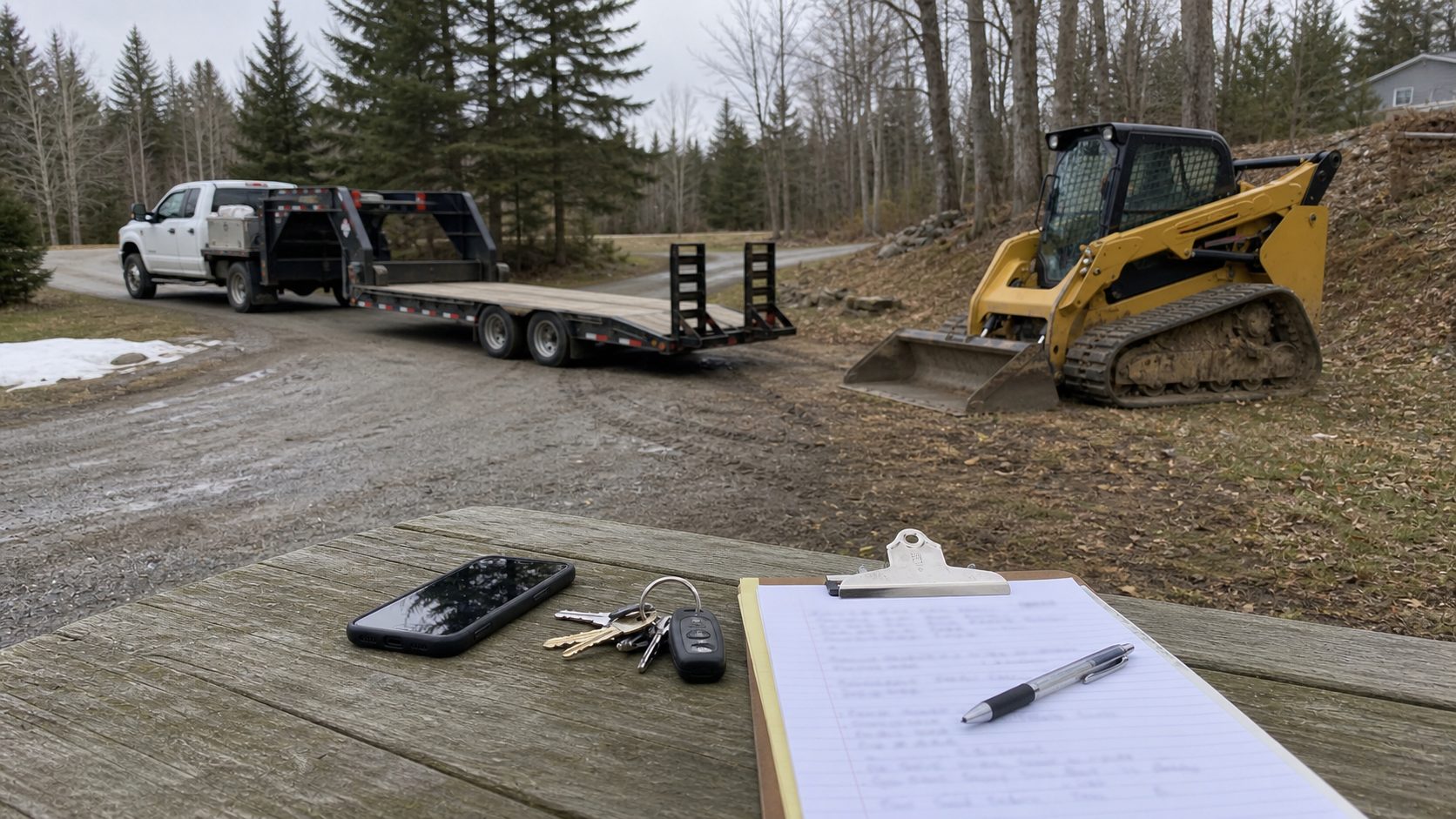
Make condition details specific
When the buyer has not seen the unit in person, seller-provided condition details should be treated carefully. Ask whether it runs, rolls, steers, has keys, and can be accessed for loading.
Photos from the seller can help confirm what is actually there.
Runs and drives, keys available, parked in gravel driveway, seller home after 5.
Seller says it should move, but no one confirmed keys, tires, or access.

Pickup access belongs in the conversation
A private seller may not know what transport access requires. Ask for a wide photo of the driveway, yard, road, or storage location.
If the seller is hard to reach, the move becomes harder to coordinate.
Keep the handoff clear
The buyer, seller, transport contact, and receiver should all understand what is happening. Clear contact information is the best protection against confusion at pickup.
- Seller name and phone
- Release or payment status
- Keys and condition
- Pickup access photo
- Delivery contact
- Timing restrictions