
The request is sorted by what is known
After a quote request comes in, the first review is practical: what is moving, where it is, where it is going, what condition it is in, and whether pickup and delivery access are clear.
If the request already includes photos, contacts, timing, and load details, the review can move faster. If key pieces are missing, follow-up questions are part of getting the answer right.
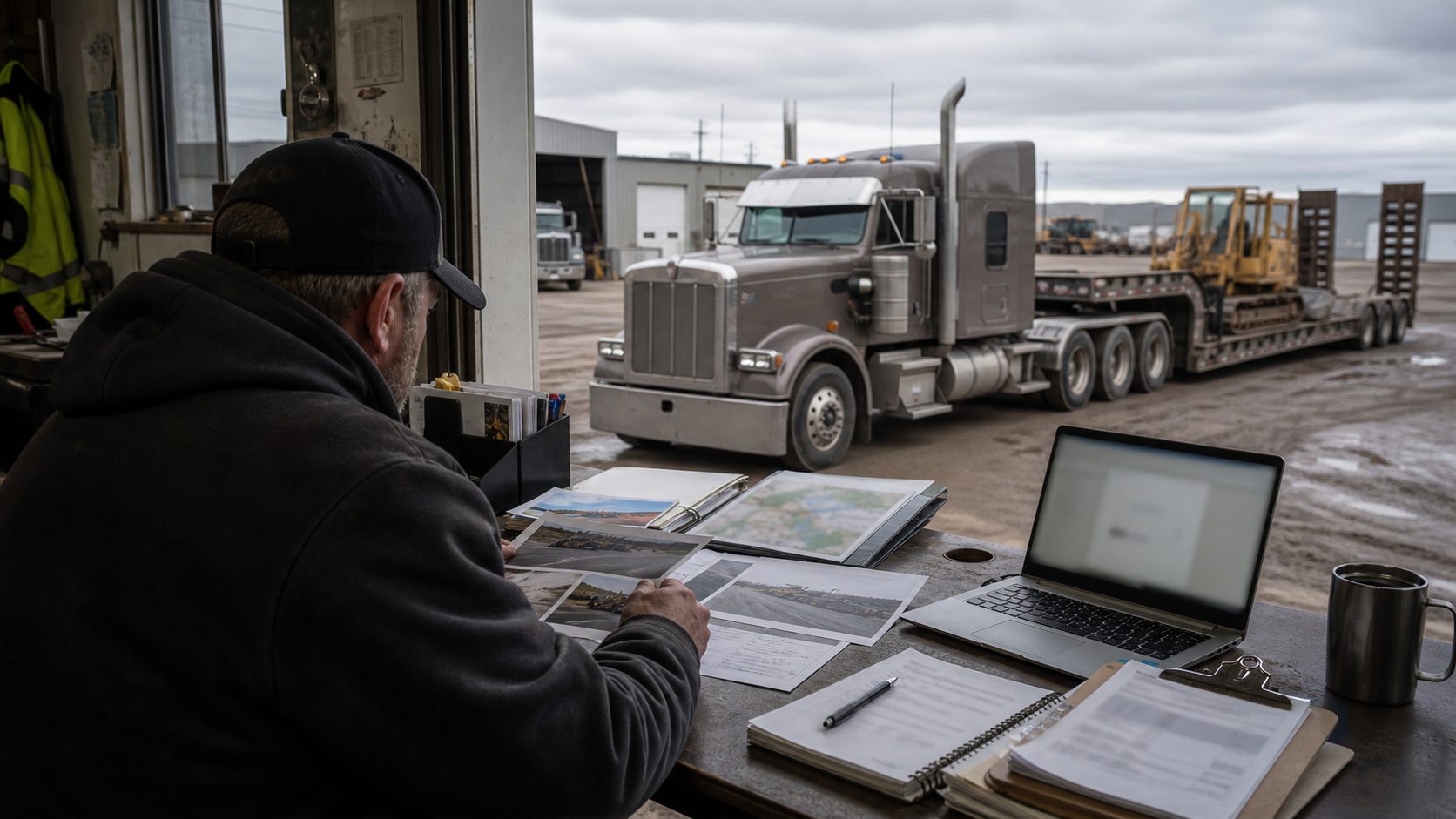
Follow-up questions are not a bad sign
A follow-up question usually means the move has enough potential to review, but one detail could change the plan. That could be condition, dimensions, loading access, release status, timing, or destination contact.
Good answers prevent the quote from being built on assumptions. A missing width, unknown running condition, or unclear pickup contact can matter more than the distance.
Can the machine load under its own power, and is there room for a trailer at pickup?
It runs, there is a gravel yard, and the seller can meet weekday mornings.
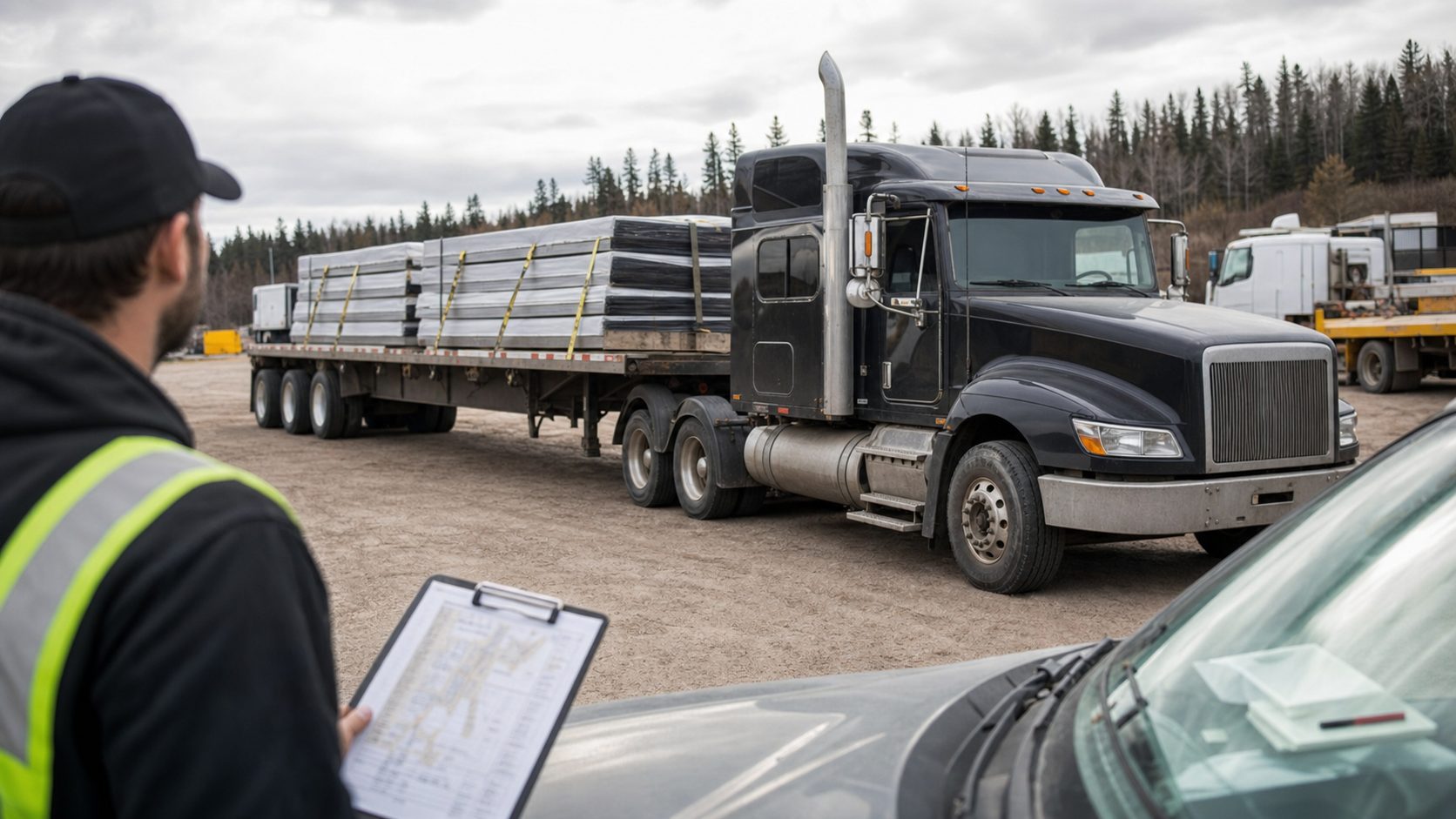
Scheduling depends on readiness and route fit
A quote is not the same thing as a confirmed pickup. Scheduling depends on the unit being ready, the route making sense, and both ends having contacts who can release and receive.
If timing is urgent, the reason matters. Storage fees, site deadlines, weather windows, ferry connections, or customer delivery needs should be stated plainly.
What makes the next step smoother
The best next step is to answer missing questions quickly and honestly. Unknown details are fine when they are marked as unknown; guessed details can create trouble later.
If the load or site changes after the request, send the update before scheduling.
- Confirm release or seller readiness
- Send photos if condition is unclear
- Share pickup and delivery contacts
- Explain timing constraints
- Update BEMAC if the load changes