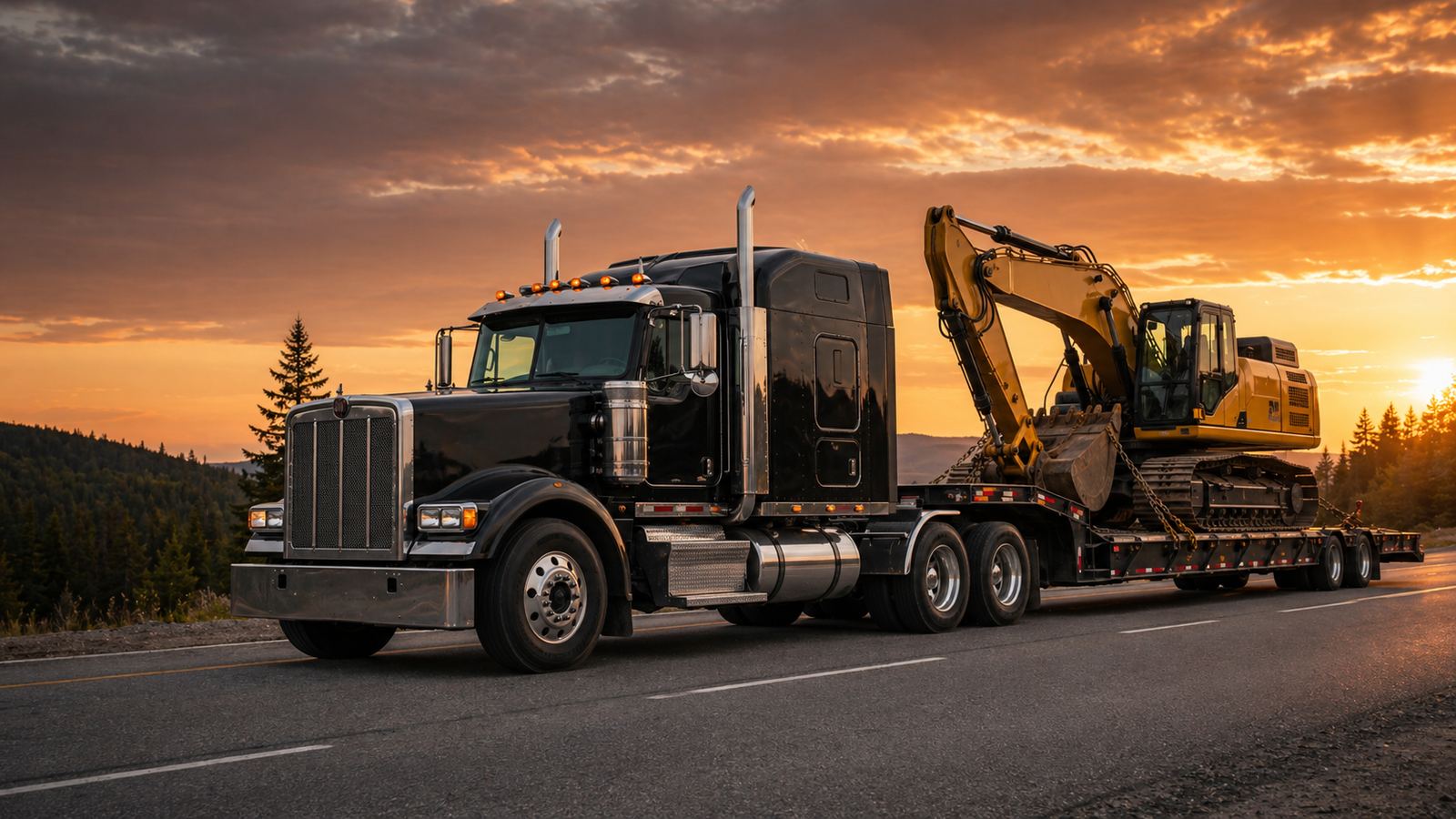
Remote routes need more than a destination name
A northern or remote destination can involve long distances, limited route options, seasonal access, ferry or marine connections, staging points, and community-specific delivery requirements. That is why "going to the North" is not enough information for a useful review. The exact community and the actual receiving plan matter.
For BEMAC, the question is not only whether a load can move toward the region. The question is how the load gets staged, who receives it, what access exists at the destination, whether unloading support is available, and what timing constraints may affect the move.
This is where remote transport is different from a straightforward city-to-city move. The route may be reviewed in legs. The delivery point may need local coordination. A vehicle, excavator, skid steer, or support asset may need a practical handoff plan before the move can be discussed seriously.
Send the exact community, not just the territory or province. Remote transport planning changes quickly once the destination is specific.
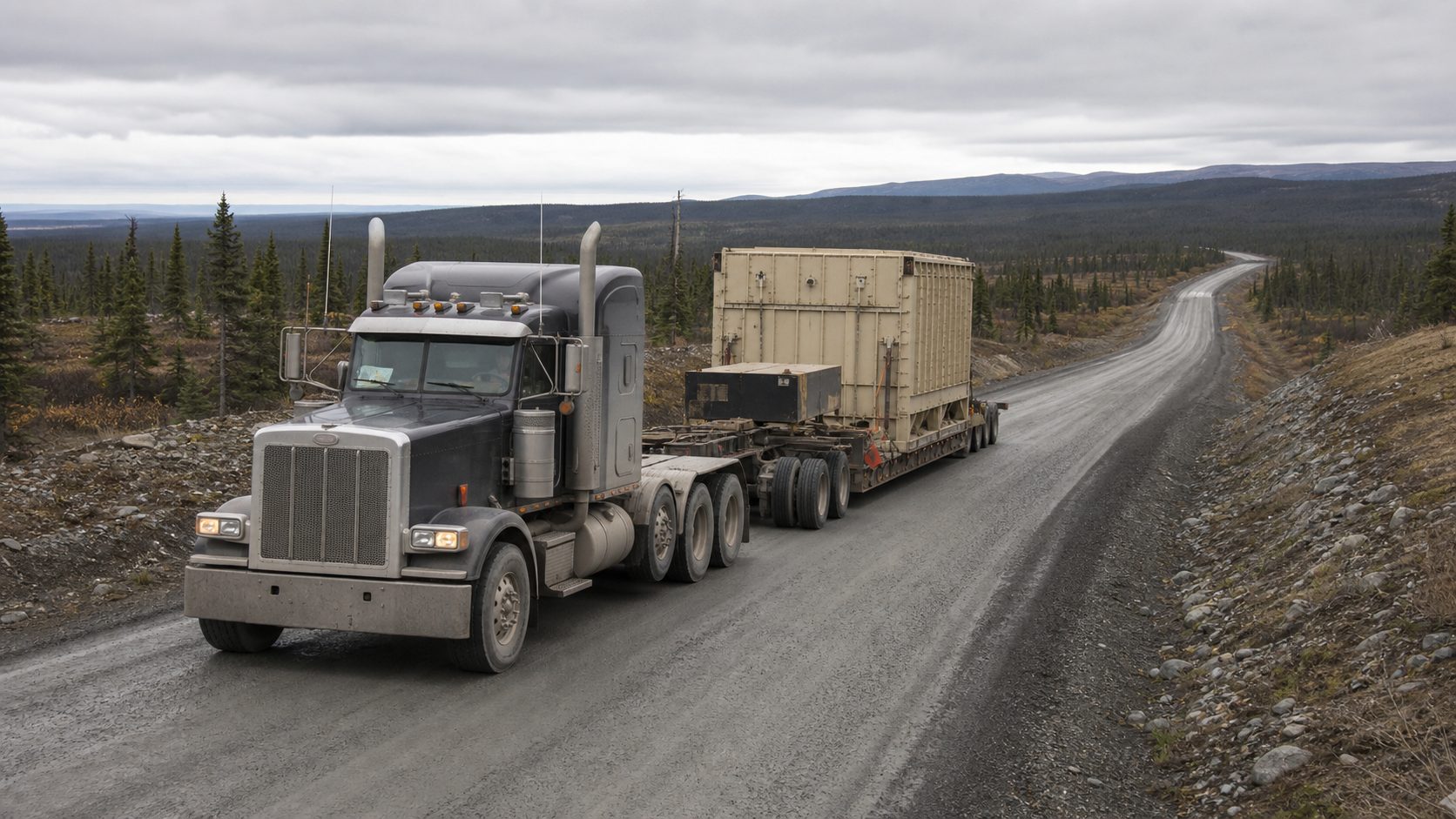
Staging can be part of the move
Some remote moves are not a simple direct pickup and delivery. A vehicle or machine may need to be moved to a practical staging point, transferred, held for timing, or coordinated with another carrier or route option. That does not make the move impossible; it just means the plan needs to be honest about the steps involved.
Staging is useful when it is planned. It gives the load somewhere practical to wait between route legs, timing windows, or transfer points. It becomes a problem when nobody has confirmed who receives the load, where it can sit, what condition it is in, or when the next leg can happen.
For equipment, staging may also require photos before and after transfer, secure storage, and a contact who understands how the machine will be handled. For vehicles, keys, condition, and delivery paperwork still need to be tracked carefully.
A machine may move to a hub first, then continue when the next leg and receiving contact are confirmed.
Delivery may depend on seasonal timing, marine movement, local unloading support, or community access limits.
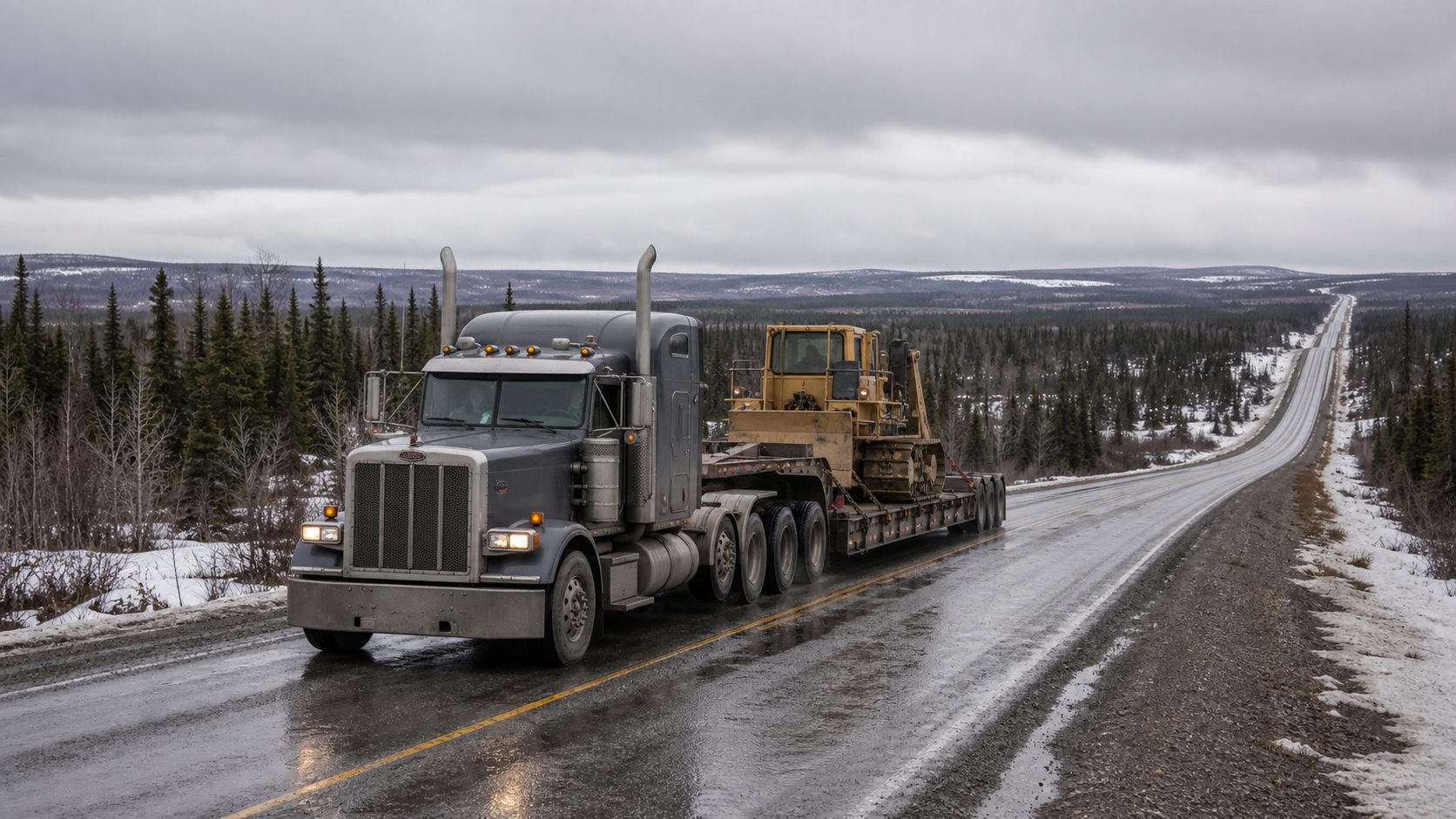
Seasonal access and weather affect timing
Weather, road conditions, ferry schedules, ice, mud, construction, and seasonal route availability can all affect timing. A route that is practical at one time of year may need different expectations at another. Remote timing should be treated as route planning, not a simple local appointment window.
The best quote request includes both flexibility and any deadline that truly matters. If there is a jobsite need, auction release deadline, seasonal access window, barge or ferry timing, or community delivery date, include it early. It is easier to review a constraint that is known than to discover it after a route has already been discussed.
Remote transport timing is often reviewed as a route plan, not a guaranteed local pickup window.
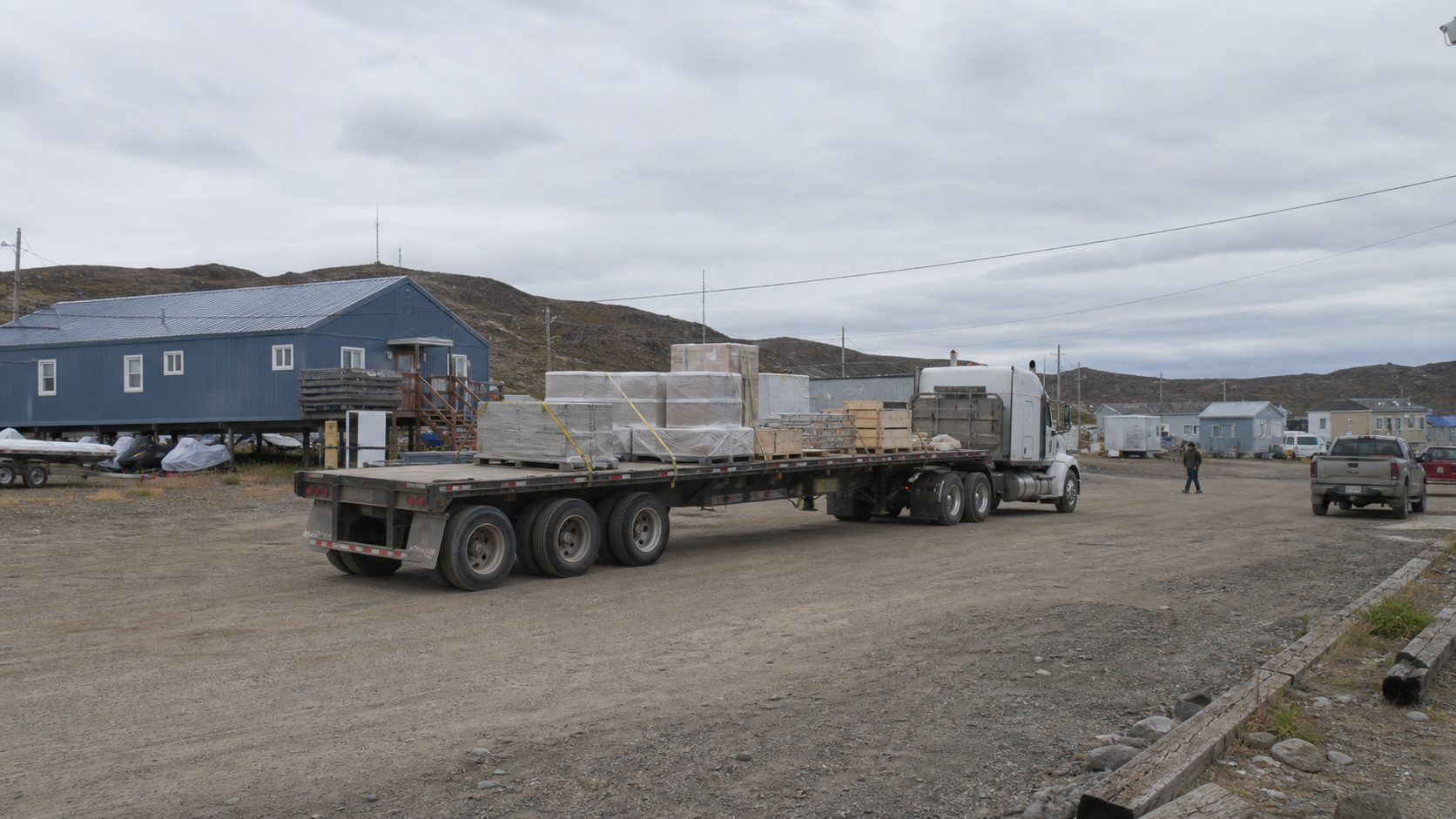
Destination contact and unloading details matter
Remote delivery is easier when the receiving contact is clear and the unloading plan is realistic. That includes phone numbers, local directions, available equipment, ground surface, access hours, and whether the site can handle a truck and trailer. The more remote the delivery, the more costly a missing contact or unclear unloading plan can become.
For equipment moves, unloading support may be the deciding detail. If the machine needs an operator, a loader, a clear pad, or a certain surface, that needs to be known before the last leg is planned. For vehicle moves, the delivery point still needs enough room and a person who can receive the unit, keys, and any required paperwork.
A good remote-delivery request should make the receiver easy to reach and the unloading location easy to understand.
Confirm who can unload or operate the machine and whether the site has enough room for the trailer.
Confirm where the carrier can safely unload and who will receive keys or paperwork.
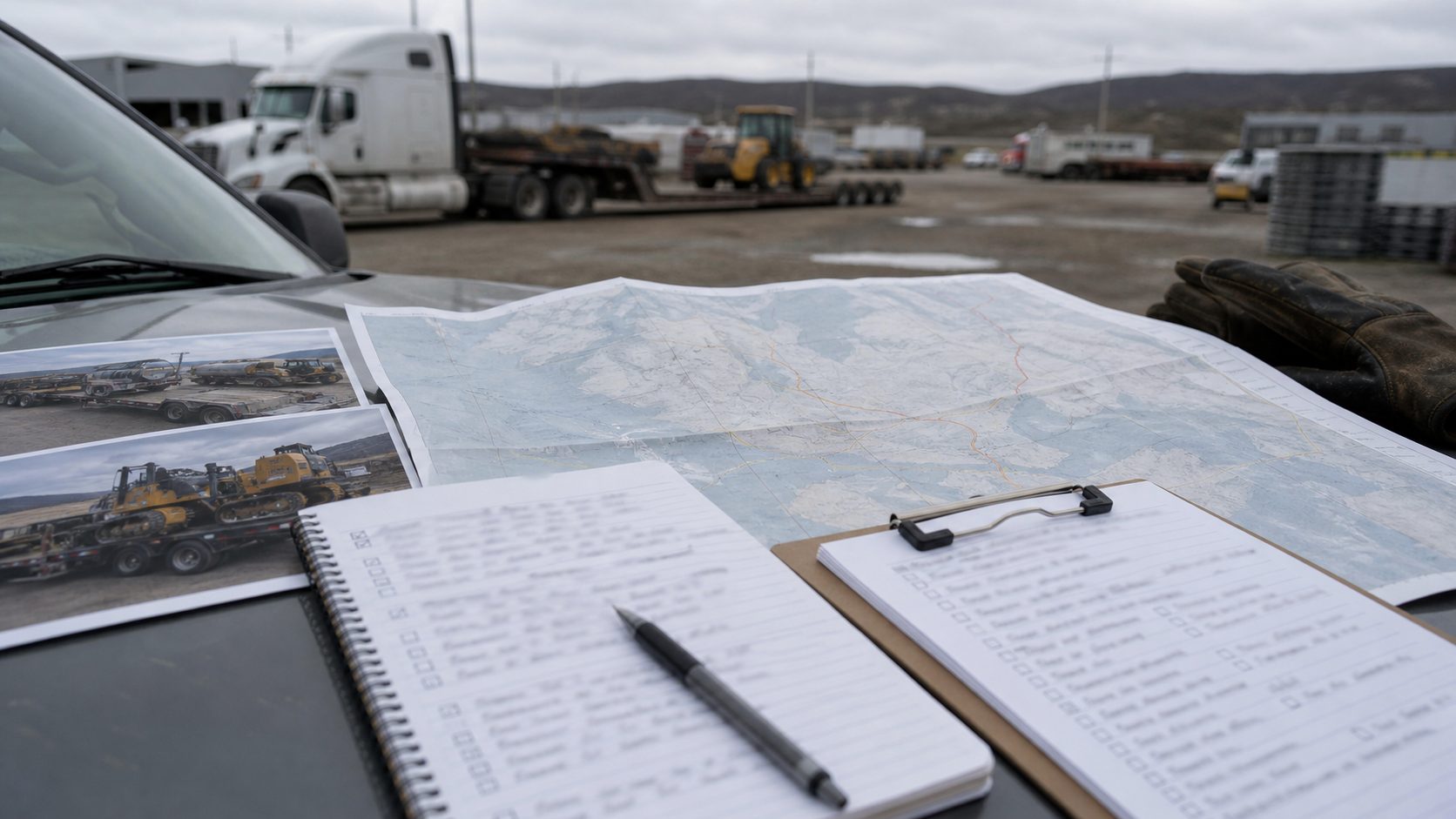
Examples: Yukon, NWT, Nunavut, and Gjoa Haven
Northern moves can look different depending on the destination. Yukon and Northwest Territories routes may involve long overland planning and staging. Nunavut and communities such as Gjoa Haven require closer review around access, transfer options, timing, and local receiving details.
The practical answer is not to force every remote request into one formula. A Yukon equipment move, a Northwest Territories vehicle move, and a Nunavut community delivery may each need different route assumptions. What they have in common is that vague details slow everything down.
Send the destination, load details, access notes, photos, receiving contact, unloading plan, and timing. From there, BEMAC can review whether the move fits available route options and what information is still needed.
For a Yukon move, the question may be how the route connects with existing long-haul planning and where the load can be received. For Northwest Territories, staging and seasonal conditions may become part of the conversation. For Nunavut or Gjoa Haven, the review may need to account for transfer options, community delivery details, and who can unload or receive the unit locally.
Those examples are not meant to promise that every route is handled the same way. They show why remote transport needs a real conversation around the destination instead of a quick yes-or-no answer based only on a territory name.
- Yukon destination and road access
- Northwest Territories route and staging details
- Nunavut community and receiving plan
- Gjoa Haven or remote community timing
- Photos, contacts, and unloading notes
Remote transport should be reviewed around the actual community, load, season, and receiving plan rather than a generic territory-wide answer.
What to send before asking for remote transport
The most useful remote transport request is specific without pretending every detail is already solved. Start with the exact destination community, the pickup point, the load, and the timing. Then add what is known about staging, receiving contacts, unloading support, and access.
If the move involves equipment, include dimensions, weight if available, attachments, running condition, and photos. If the move involves a vehicle, include running condition, keys, pickup contact, and delivery contact. If the destination requires local coordination, include the person who can receive the unit and explain where it can be unloaded.
Remote route review rewards clarity. It does not require the customer to know every carrier or transfer option in advance, but it does require enough information for BEMAC to understand the real destination and the practical constraints around it.
The same principle applies when some details are missing. If the buyer knows the equipment is going to a remote community but does not yet know the unloading plan, that should be stated. If the receiver is still being arranged, say that. BEMAC can help identify what still needs to be confirmed, but the unknowns need to be visible.
- Exact community and destination contact
- Load details and current photos
- Pickup and staging information if known
- Unloading support and access notes
- Timing constraints or seasonal concerns
Why remote moves need patient planning
Remote transport often involves more communication than a standard move, and that is not wasted time. Each confirmed detail reduces the chance of a delay later in the route. The pickup contact confirms the unit. The staging contact confirms the handoff. The receiving contact confirms access and unloading. The timing review confirms whether the route fits the season and available options.
That planning is especially important when the load is valuable, difficult to replace, or needed for a job in a community where delays are hard to absorb. A missed contact, wrong assumption about unloading, or unclear destination can create more trouble in a remote move than it would on a short local route.
The useful approach is calm and practical: gather what is known, identify what is uncertain, and review the move around the real destination. That is how a remote route becomes manageable instead of mysterious.
It also helps set expectations. Remote transport may not move on the same rhythm as a common corridor route. Weather, seasonal road conditions, transfer timing, receiving availability, and local unloading support can all become part of the schedule. Clear expectations make the move easier for the customer, the receiver, and the transport team.
That is why BEMAC should be given room to review the route instead of being asked for a rushed generic answer. A quick quote that ignores staging, access, or receiving details is not very useful. A careful review that names the unknowns gives the customer a clearer path to a workable move.
For remote communities, that clarity can be the difference between a move that progresses in planned steps and a move that stalls because one local detail was missing. The more specific the destination and receiving plan, the easier it is to understand what route options may be practical, what timing may be realistic, and what local coordination still needs attention before anyone treats the move as ready. This is especially true for equipment, where unloading support, ground conditions, and local contacts can determine whether the final delivery is practical. It is also true for vehicles when keys, receiving contacts, and safe unloading space need to line up with the route.