Route fit starts with the load
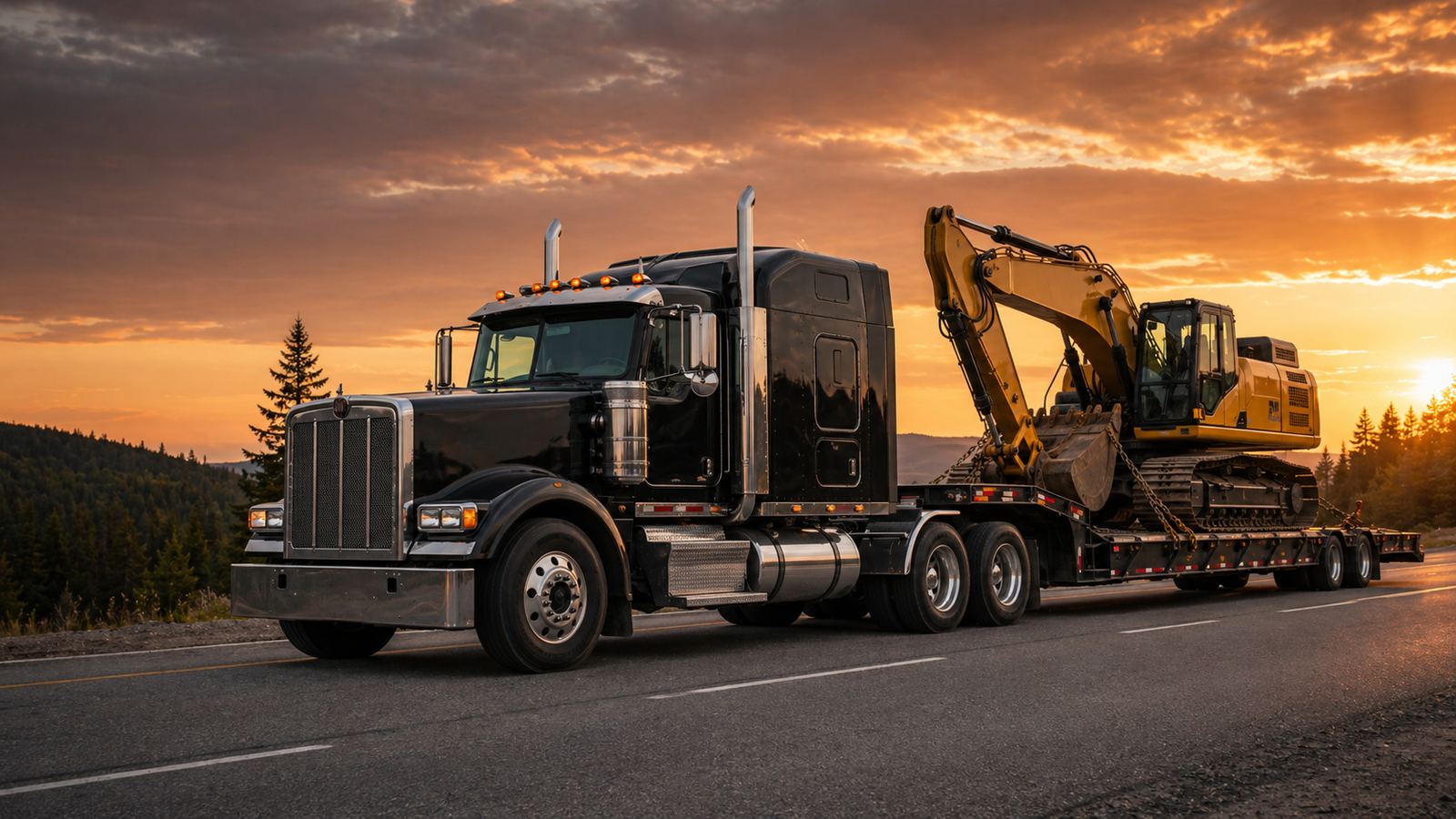
The load determines what kind of review is needed. Vehicle condition, equipment dimensions, weight, attachments, and loading requirements shape the route conversation.
A route that works for one vehicle may not work for a heavy or oversized machine.
Access can decide whether the route works
Pickup and delivery sites must be reachable, not just mappable. Gates, slopes, rural lanes, yards, jobsite congestion, weather, and unloading space can all affect route fit.
If access is uncertain, photos and site contacts become important.
Dealer yard pickup, clear access, delivery branch ready, flexible timing.
Remote property, soft ground, heavy equipment, strict delivery window.
Timing and staging are part of fit
A move may be possible but not on the exact requested day. Ferry connections, remote routes, other stops, site hours, and seasonal conditions can all affect scheduling.
Staging may help when pickup or delivery is access-sensitive.
What helps route fit review
The best route fit request connects load details with site reality and timing.
- Load type and condition
- Dimensions or vehicle details
- Pickup and delivery access
- Contacts at both ends
- Timing flexibility
- Regional or remote constraints