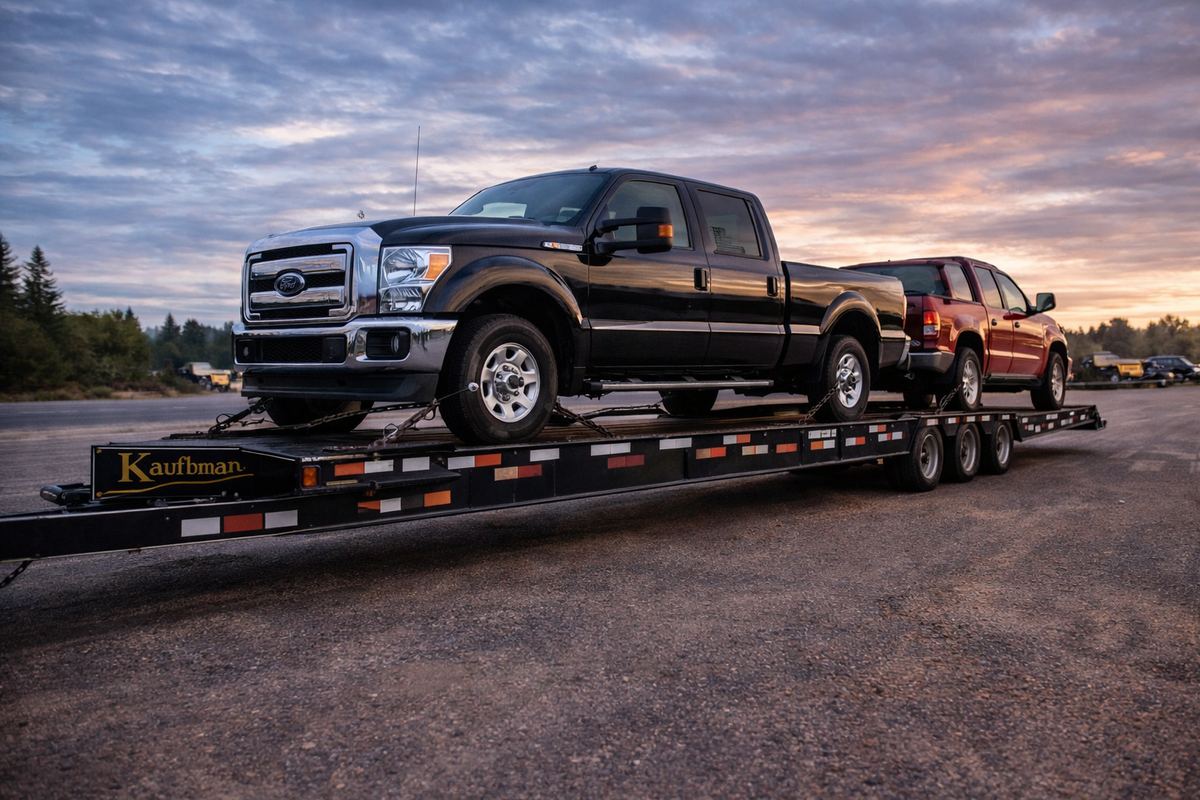
Confirm the seller is ready for pickup
Private sales can be informal, which is part of the appeal and part of the risk. Before transport is scheduled, confirm that the seller is ready to release the vehicle, has the keys, can be reached by phone, and understands when pickup may happen.
If payment, ownership, paperwork, or release conditions are still being handled, say so. The transport plan should not assume the vehicle is ready before the buyer and seller have finished their side of the sale.
The seller should know the vehicle is being transported and who will contact them before the carrier arrives.

Describe the vehicle condition clearly
A private buyer may only know what the seller has said. That is fine, but the source of the condition detail should be clear. Runs and drives, starts only, non-running, damaged, modified, lifted, lowered, or missing parts are all transport details.
Ask the seller direct questions: does it start, does it drive, do the tires hold air, are keys available, and is there room for loading? A short honest answer is more useful than a vague "good condition."
Seller says it starts and drives, tires hold air, keys are available, and it is parked in an open driveway.
Seller says it should run, but it has not been started recently.
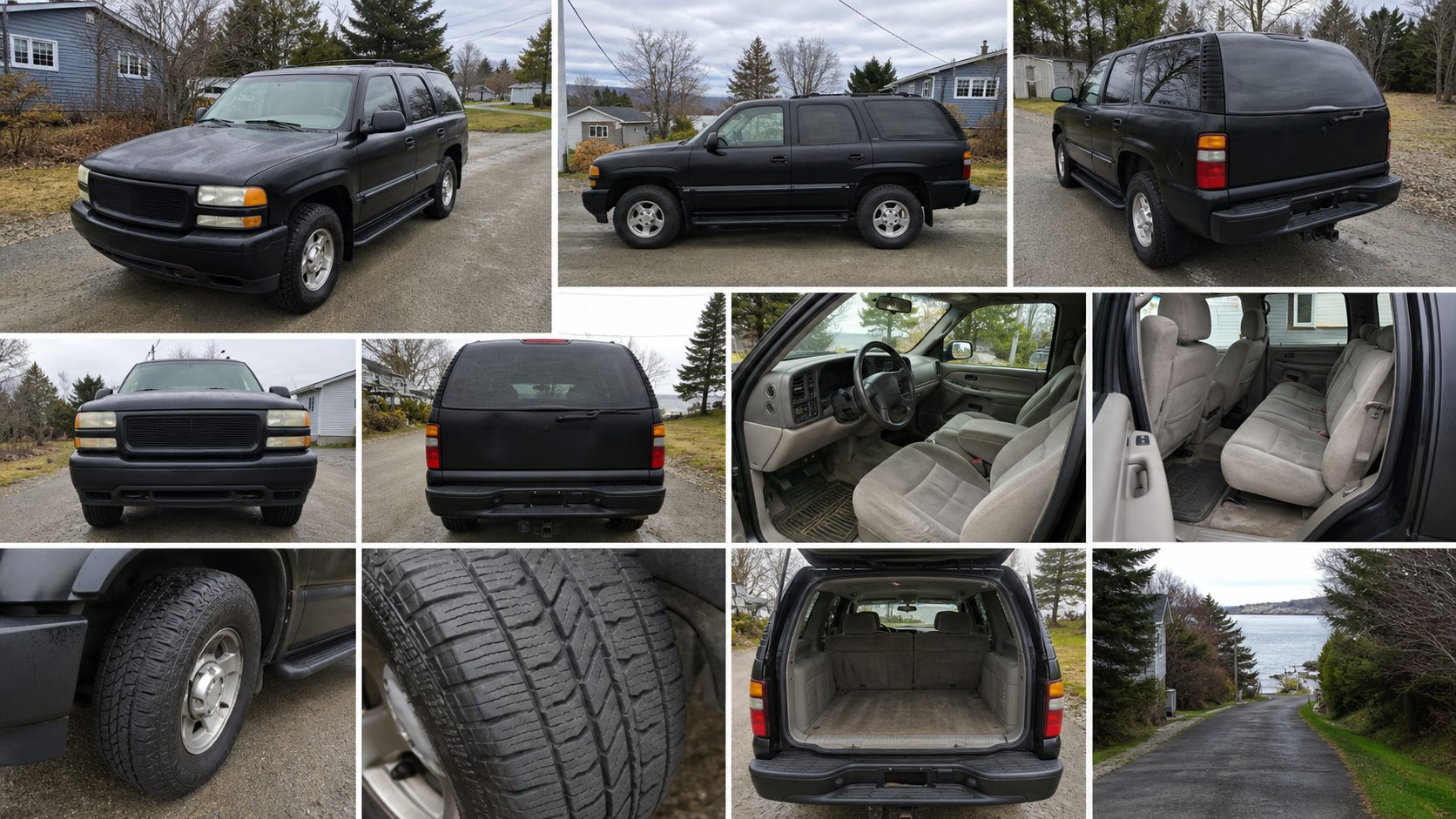
Photos protect everyone from assumptions
Photos help confirm the type of vehicle, its condition, access, modifications, and whether anything might affect loading. They do not need to be perfect. They need to be current and clear.
For private purchases, ask for front, rear, both sides, tire condition, and a wider pickup-area photo. If there is damage, low ground clearance, large tires, lift kits, racks, or missing parts, include those details before quote review.
Delivery details finish the checklist
The delivery contact should know when the vehicle may arrive and where it can be unloaded safely. A residential street, business lot, rural driveway, or apartment area may each need different notes.
If the buyer is not receiving the vehicle personally, include the name and phone number of the person who will. If there are access concerns at delivery, mention them before scheduling.
Private purchases often involve people who are not used to transport coordination. A simple message to both ends can prevent confusion: who has the keys, who will meet the driver, where the vehicle is parked, and where it should be unloaded.
- Seller contact and pickup address
- Keys and release readiness
- Vehicle condition and photos
- Pickup access notes
- Delivery contact and unloading space
A private sale has two customers in the story
The buyer is usually arranging transport, but the seller controls much of the pickup reality. They know where the vehicle sits, whether it starts, where the keys are, and whether there is room for a carrier. If the seller is hard to reach or unclear on timing, the pickup becomes harder to plan.
The best private purchase moves happen when the buyer confirms the seller is ready before requesting transport. That does not need to be complicated. It simply means the vehicle is released, the contact is reachable, the condition is understood, and the pickup location is practical.
When the buyer has not seen the vehicle
Many private purchases happen at a distance. The buyer may be relying on seller photos, a phone call, a marketplace listing, or a friend who looked at the vehicle. That can still work, but the transport request should be honest about what has and has not been confirmed.
If the buyer has not seen the vehicle, current photos become more important. Ask for a wide view of where it is parked, close photos of damage or modifications, and a clear answer about keys, tires, and running condition.
The goal is not to make the seller do a full inspection. It is to collect enough reality that pickup can be planned without surprises.
Seller sent current photos today, says it starts and drives, keys are available, and there is room in the driveway.
Listing photos look good, but seller has not confirmed current condition or pickup access.