Terms around loading and equipment
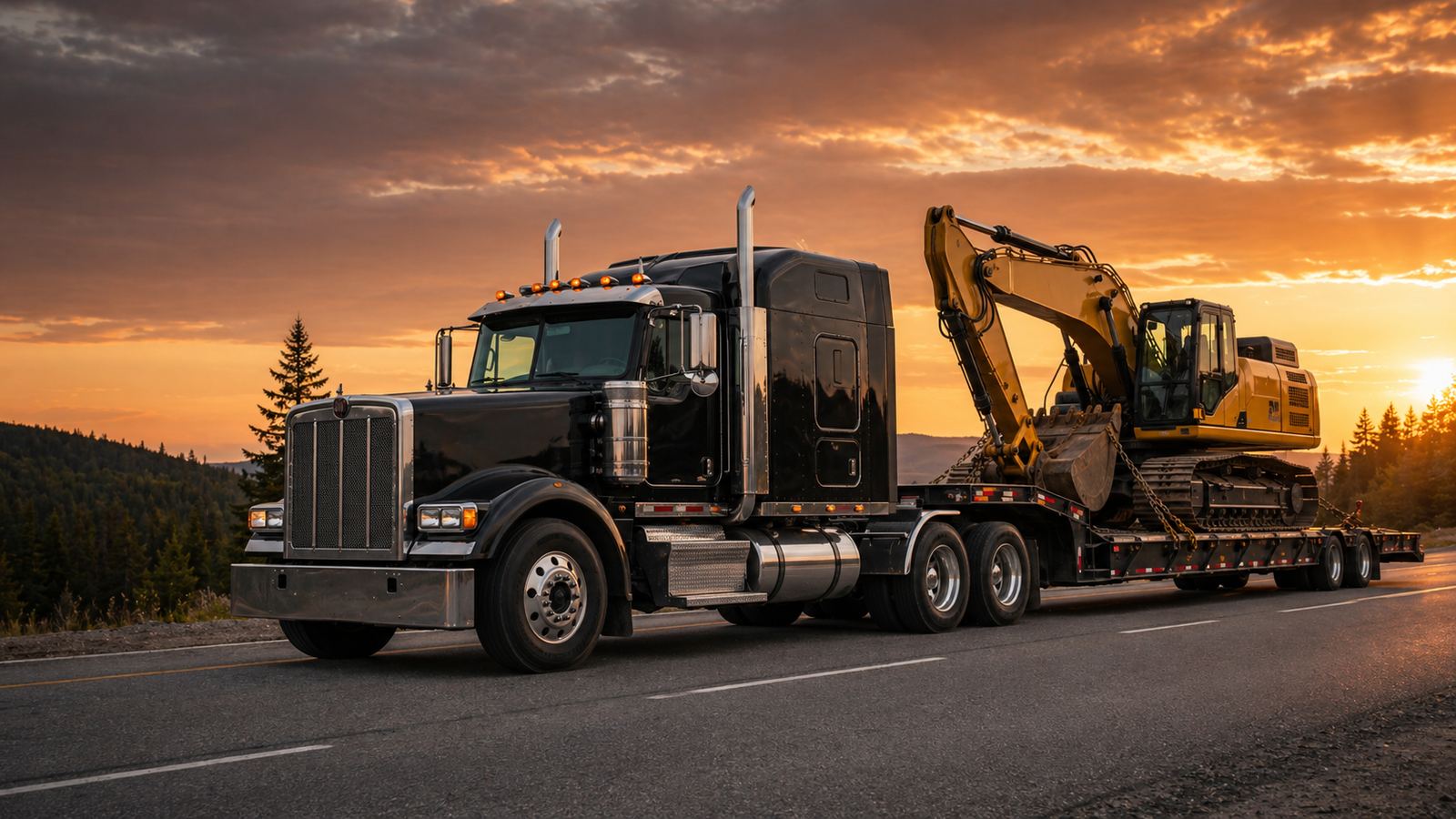
A winch helps move a non-running vehicle or load when it cannot drive normally, but it still needs safe access. A float or lowboy generally refers to equipment-hauling trailer types used for machinery or heavier loads.
Load dimensions mean length, width, height, and sometimes weight. These numbers affect trailer fit and route review.
Terms around route and access
Route fit means the move makes sense for the load, pickup site, delivery site, timing, and available transport path. Access means the real-world ability to reach and load at a location.
Staging means positioning a vehicle, machine, or route leg in a better place before the next step.
A wide open dealer yard has better access than a tight muddy driveway.
Moving a machine to a firmer yard before long-distance transport.
Terms around weight and capacity
GVWR and other weight terms can come up when reviewing vehicles, trailers, and equipment. Customers do not need to master every rating, but accurate weight information helps quote review.
If a weight number comes from a listing or estimate, identify the source.
Use plain language when unsure
Customers do not need to use industry language perfectly. Plain descriptions, photos, and honest unknowns are often more useful than trying to sound technical.
- Describe the unit plainly
- Send photos
- Mark unknown details
- Explain site access
- Ask when a term is unclear