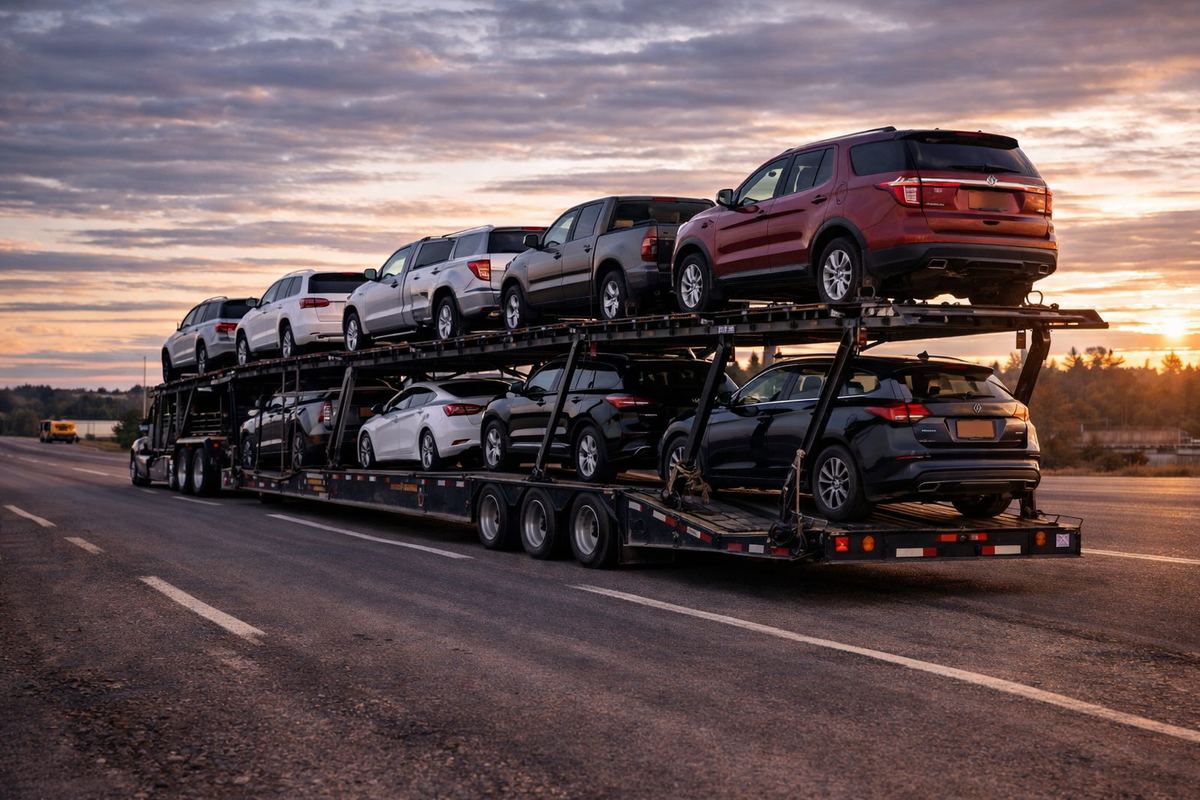
Non-running does not mean one single condition
A vehicle may not run for many reasons. It may start but not move, roll freely, have no keys, have locked steering, have flat tires, be damaged, or be missing parts.
Those differences matter. A car that rolls and steers is different from one that is stuck in park, has no wheels, or cannot be reached by a carrier.
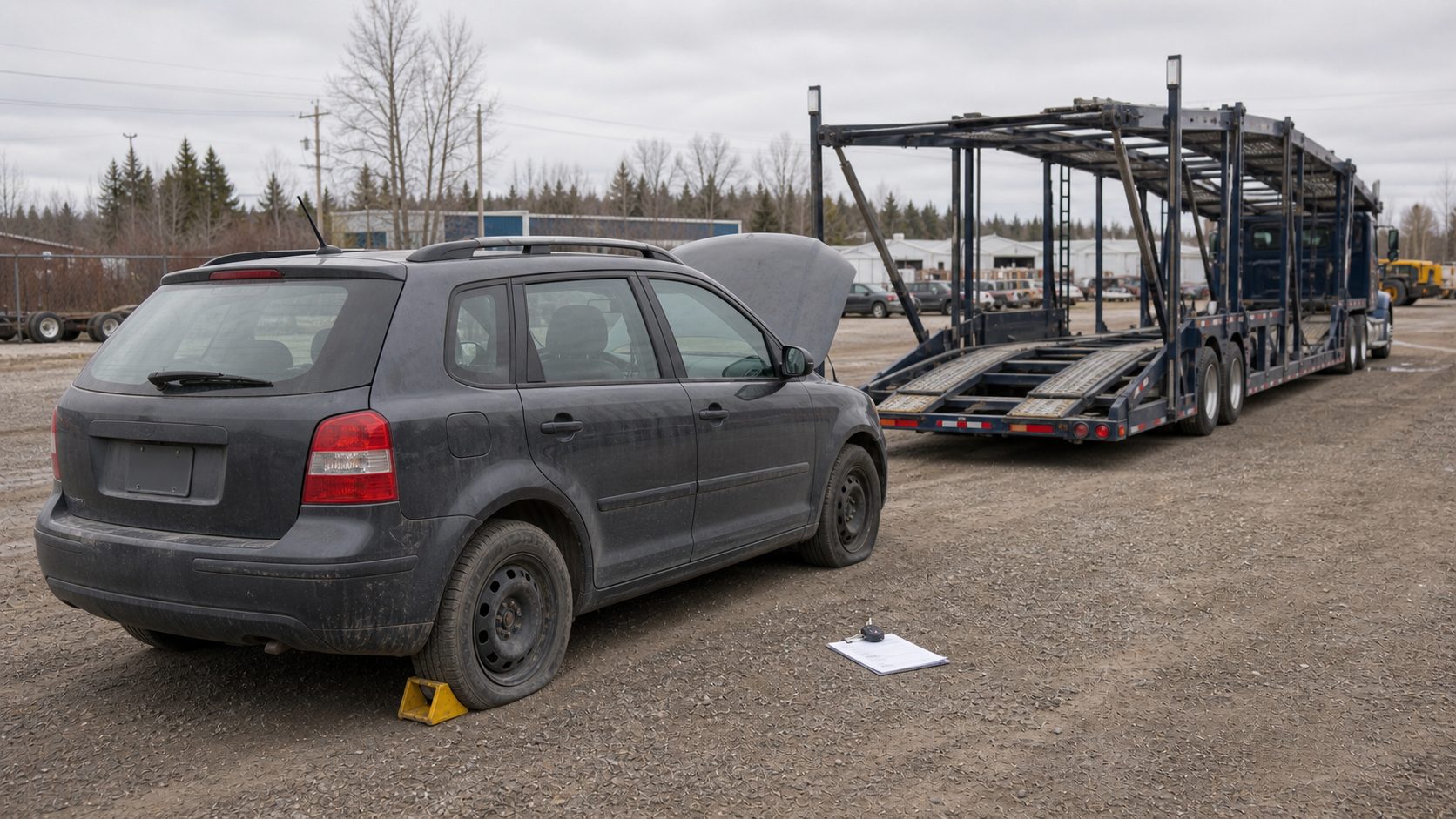
Access can matter as much as the vehicle
A non-running vehicle in an open lot is one problem. A non-running vehicle in a tight garage, downhill driveway, muddy yard, storage row, or blocked auction lane is another.
Before scheduling, explain where the vehicle sits and what room exists around it. Photos of the vehicle and the access route are both useful.
Winching or special loading may depend on whether the carrier can line up safely with the vehicle.
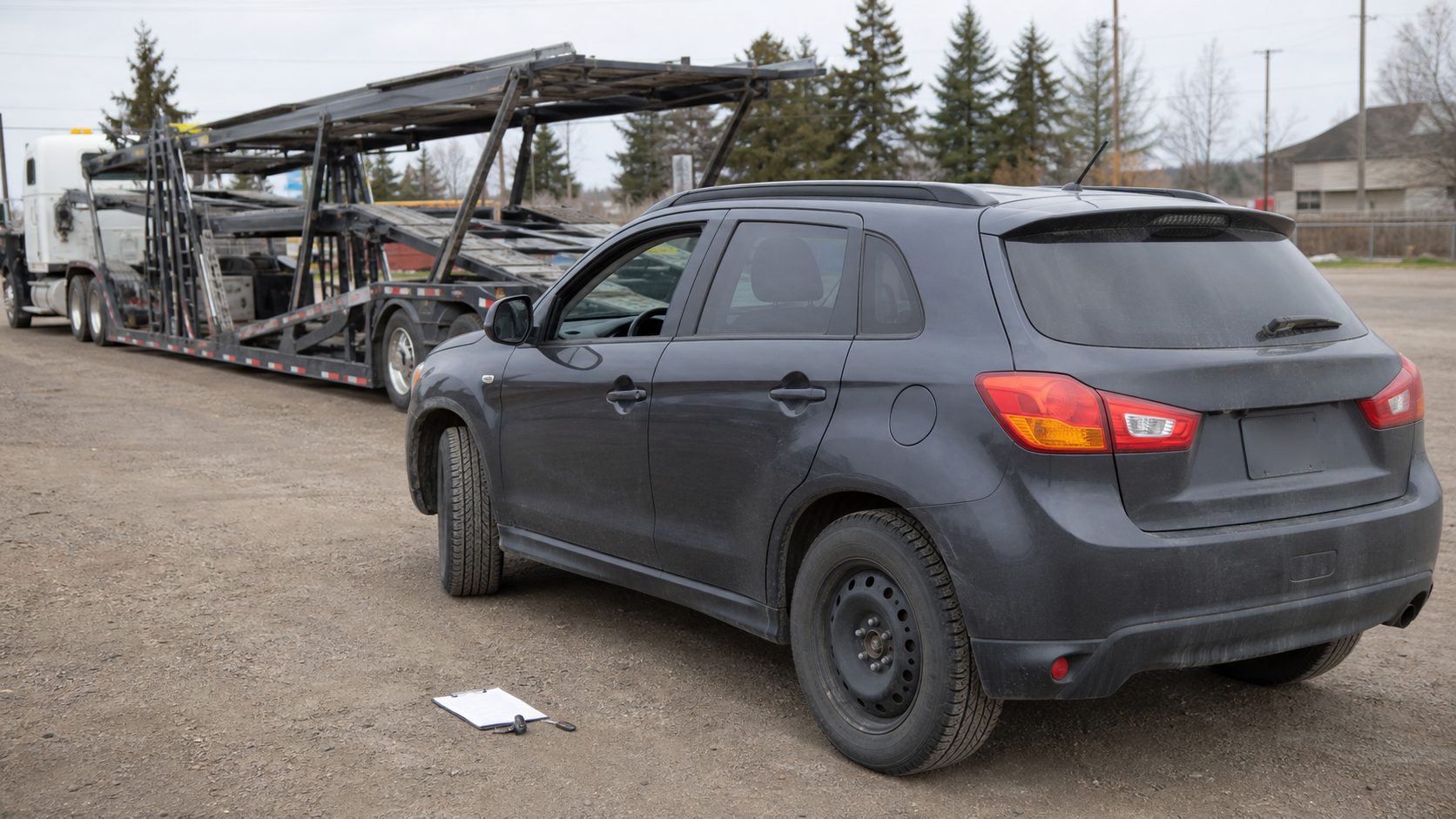
Condition details should be specific
The most useful description is plain and direct. Does it roll? Does it steer? Are keys available? Are tires inflated? Are brakes locked? Is it in gear or park? Is there collision damage around the wheels?
If the answers are unknown, say unknown. Unknown condition can still be reviewed, but it should not be treated as normal loading.
A better request reduces surprise
Non-running transport is easiest to review when the condition, access, and contacts are clear before the carrier arrives.
The goal is to avoid discovering the real problem at pickup.
- Does it roll and steer?
- Keys available?
- Tire and brake condition
- Damage around wheels or suspension
- Pickup access and loading room
- Photos from all sides