
Urgent should mean something specific
Expedited does not simply mean "as soon as possible." It helps to explain why the timing matters. A jobsite deadline, auction storage fee, customer delivery promise, repair schedule, ferry timing, or seasonal access window gives the urgency context.
That context helps BEMAC review whether the move can be prioritized, what timing is realistic, and what details must be confirmed before dispatch.
Instead of "urgent," explain the actual deadline and what happens if the move misses it.
Availability still depends on the load and route
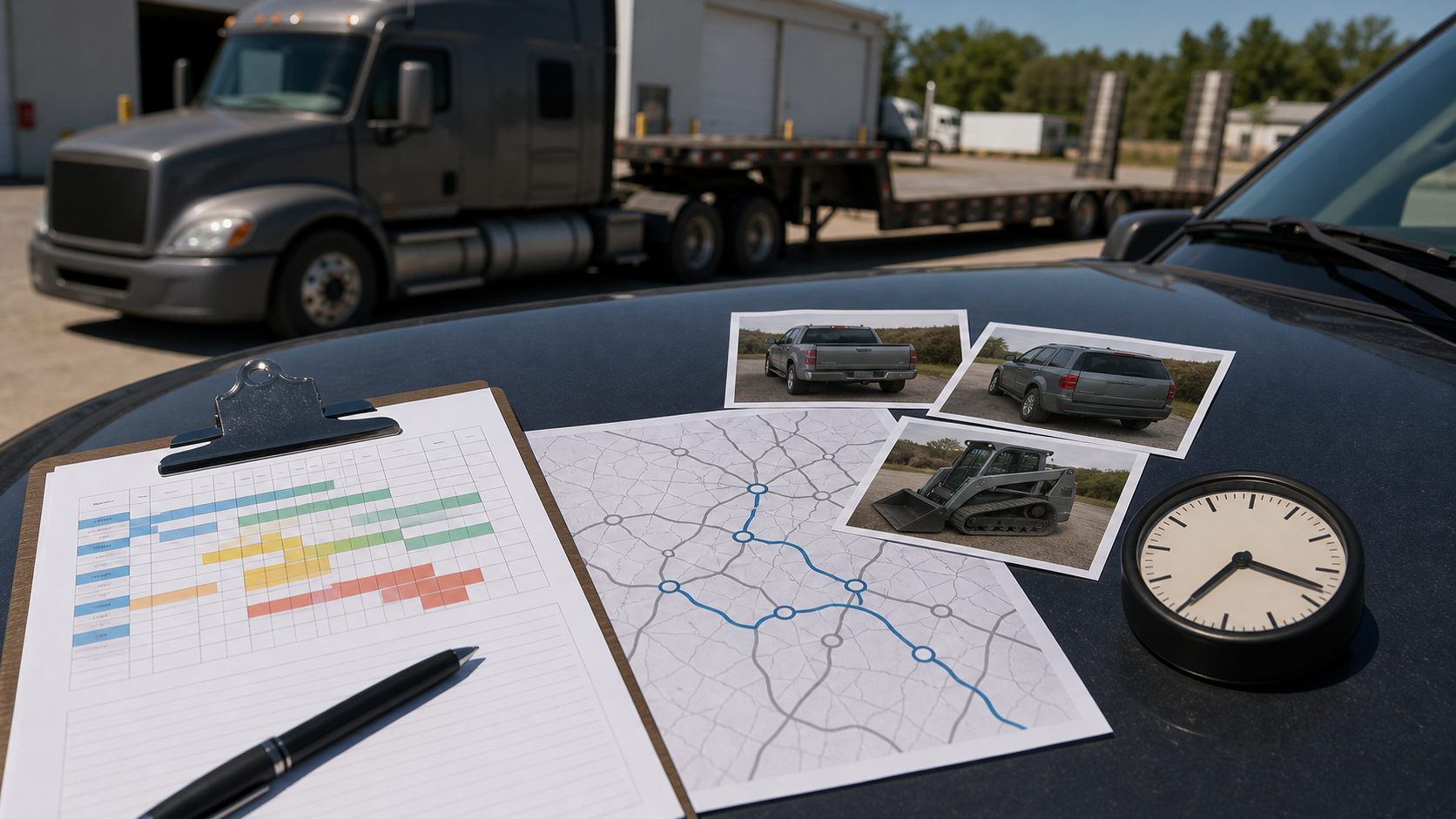
A time-sensitive move still needs the same practical review as any other transport request. The load, dimensions, condition, pickup access, delivery access, and route all matter. Expedited timing cannot solve missing release paperwork, unknown vehicle condition, blocked equipment, or a pickup location that is not ready.
The fastest expedited reviews happen when the request includes the route, photos, contacts, access notes, and deadline together.
A running vehicle with confirmed pickup and delivery contacts and a clear deadline.
A non-running machine at an unknown yard with no release confirmation or loading contact.
Flexibility can still help urgent moves
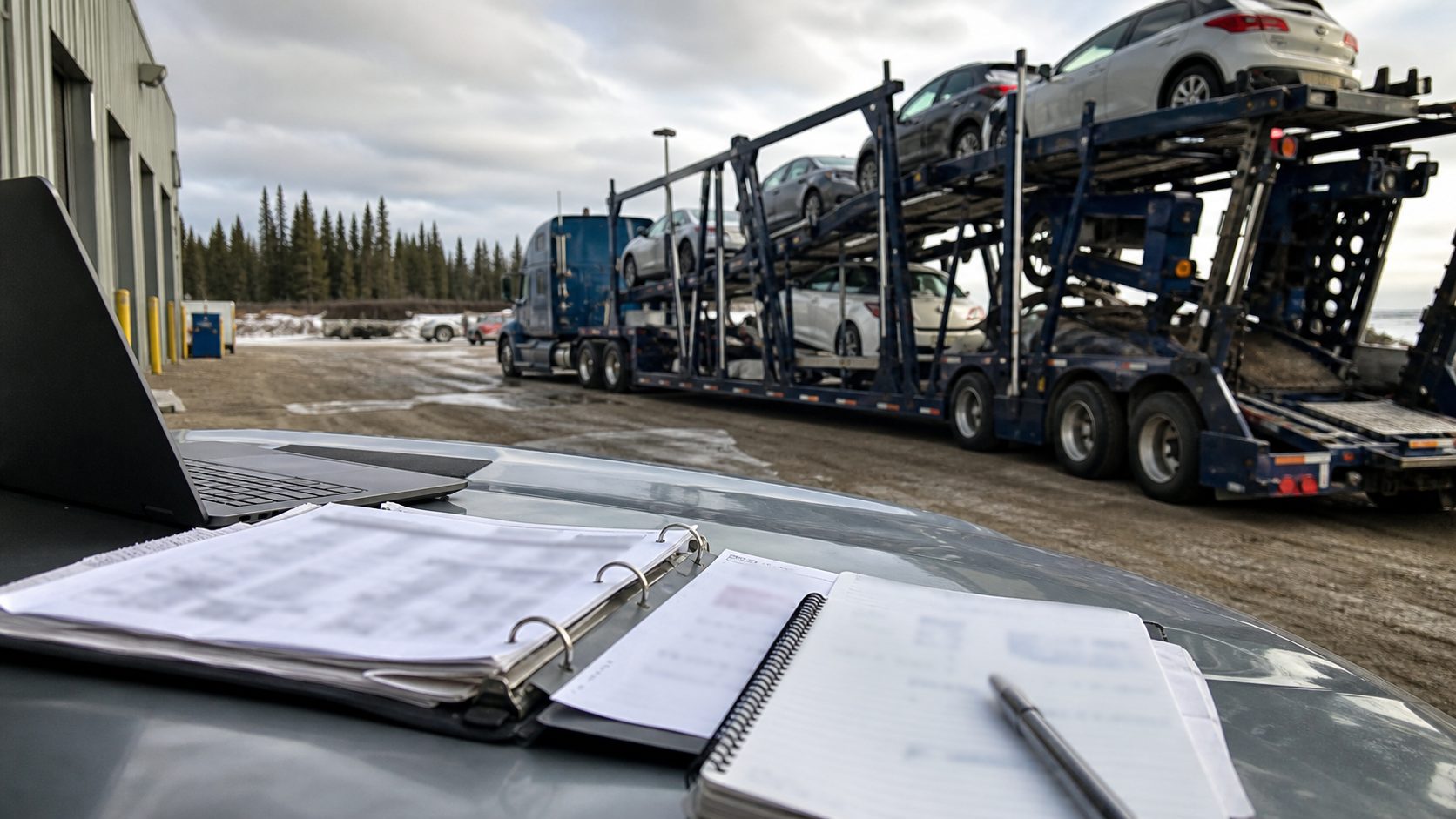
Urgent does not always mean every detail is fixed. Sometimes the deadline is firm, but pickup timing is flexible. Sometimes pickup is urgent, but delivery can land within a wider window. Explaining where the flexibility exists can make the move easier to review.
If the timing is truly fixed at both ends, say that too. Clear constraints are easier to work with than vague pressure.
What to send with an expedited request
For a time-sensitive review, send the details in one message if possible. BEMAC needs to understand the route, the load, the pickup readiness, delivery readiness, and the deadline. Missing details slow down the review even when the move is urgent.
The more prepared the request is, the easier it is to tell whether expedited transport is realistic.
If the request is missing release details, contacts, photos, or condition notes, the first step may still be gathering information. Expedited transport works best when urgency and readiness are both present.
- Pickup and delivery locations
- Deadline and reason for urgency
- Vehicle or equipment details
- Photos and condition notes
- Pickup and delivery contacts
- Access or release requirements
When expedited may not be the right word
Sometimes a customer wants quick movement, but the route is not actually ready. A vehicle may not be released, an equipment unit may not have loading support, or a delivery site may not have an unloading contact. In those cases, the first need is preparation, not speed.
That distinction matters because rushing an unready move can create more delay. The better approach is to confirm the basics quickly, then review whether expedited timing is possible once the load can actually move.
Pickup and delivery contacts are confirmed, photos are available, and the deadline is clear.
The buyer wants fast pickup, but the yard has not released the unit and no one has confirmed loading access.
The details that make speed possible
Speed comes from readiness. When pickup and delivery contacts are confirmed, photos are available, condition is clear, and the deadline is explained, BEMAC can spend time reviewing the route instead of chasing basic information.
For vehicles, readiness means keys, condition, access, and contact details. For equipment, it means machine specs, loading support, access, and delivery unloading details. For auction or dealer pickups, release status may be the deciding factor.
Expedited transport is not only about moving quickly. It is about removing avoidable delays before the route is reviewed.