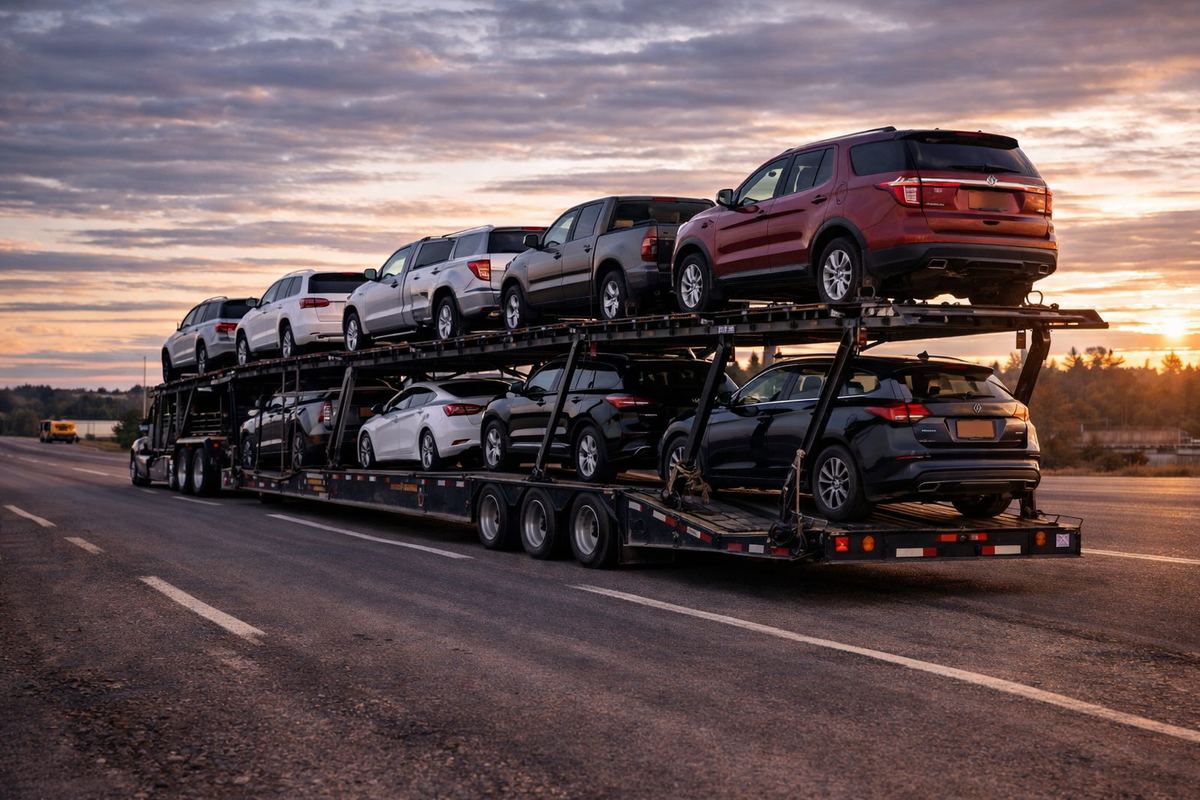
The vehicle details set the baseline
For cars, pickups, SUVs, vans, and light commercial vehicles, the basic description gives the quote review a starting point. Year, make, model, body style, and any major modification help identify size, clearance, and loading considerations.
A stock compact car, a lifted pickup, a long-wheelbase van, and a low project car can all fall under vehicle transport, but they do not create the same loading conversation. The quote request should make those differences visible early.
If the vehicle is modified, lifted, lowered, oversized, loaded with cargo, or missing parts, include that before the quote is reviewed.
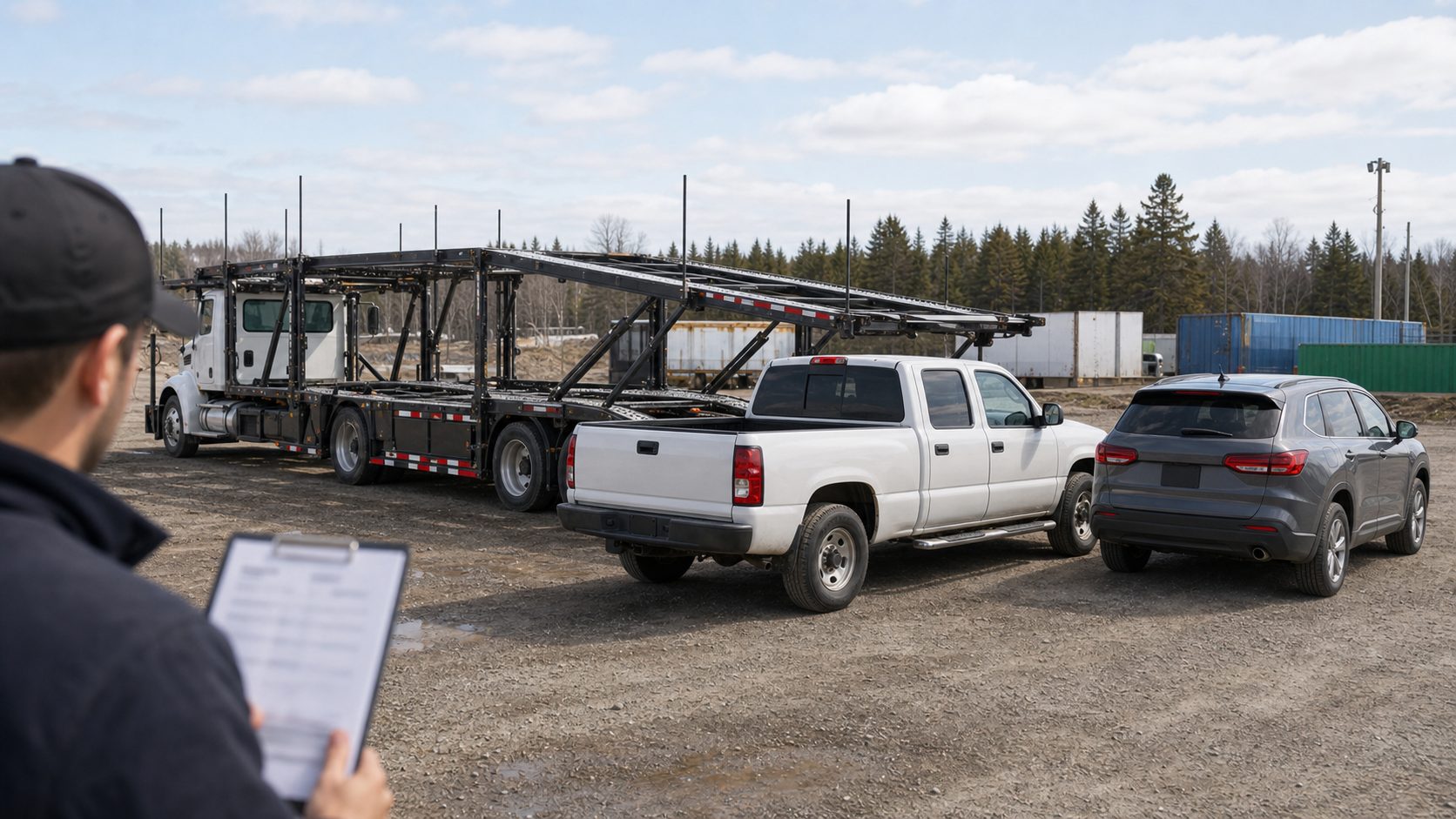
Condition changes the plan
Running condition is one of the most important pieces of information. A vehicle that runs and drives can usually be handled differently than one that starts only, rolls but does not run, has no keys, has flat tires, or cannot steer.
Do not worry about using perfect transport language. Plain detail is enough: starts, moves under its own power, needs a boost, has no brakes, rolls freely, tires are flat, or seller is unsure. That honesty helps the move get reviewed correctly.
Starts and drives, but the battery may need a boost and the rear tire is low.
Seller says it should be fine, but keys, tires, brakes, and steering have not been confirmed.
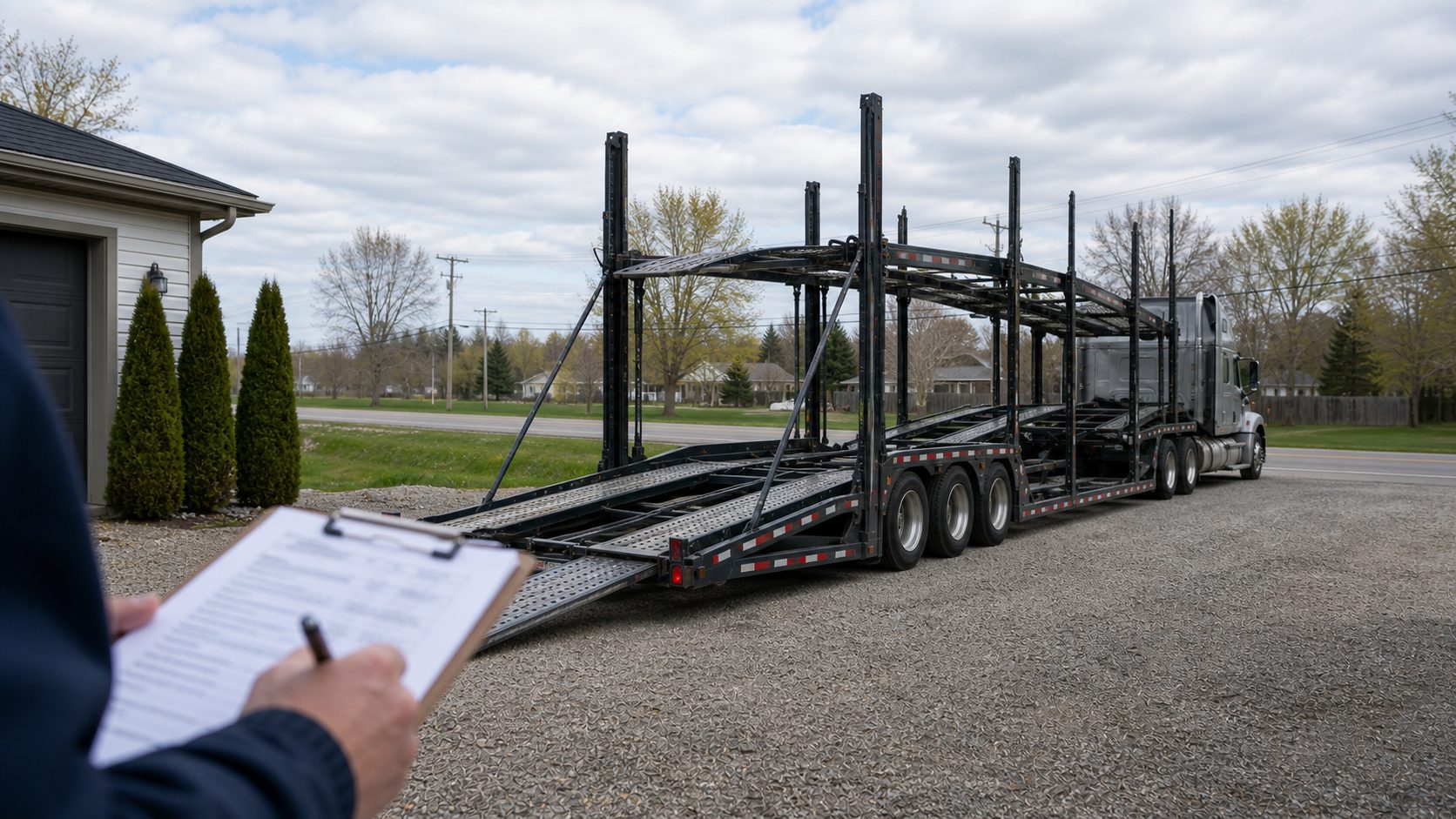
Pickup and delivery details are more than cities
The cities matter, but the site details often matter more. A dealer lot with daytime staff, a rural driveway, an auction yard, a storage compound, and a narrow residential street can all change pickup or delivery planning.
A strong request includes the pickup contact, delivery contact, site type, access notes, and any timing restriction. If the vehicle is not ready yet, say what still needs to happen before release.
A complete request is easier to answer
The best quote requests are not long for the sake of being long. They are complete enough that the transport company can see the vehicle, the condition, the route, the access, and the timing at the same time.
That usually means fewer follow-up questions and a more useful first response. If some details are missing, mark them as unknown instead of guessing.
- Year, make, model, and body style
- Running condition and keys
- Pickup and delivery contacts
- Site access notes
- Preferred timing or deadline
- Photos if condition or access is uncertain