
The unit list becomes the center of the move
A single vehicle move can often be reviewed from one vehicle description and two contacts. Fleet transport needs a list that separates each unit, location, condition, and destination.
Unit numbers, vehicle types, operating condition, keys, and whether the units are staged together all help build a workable plan.
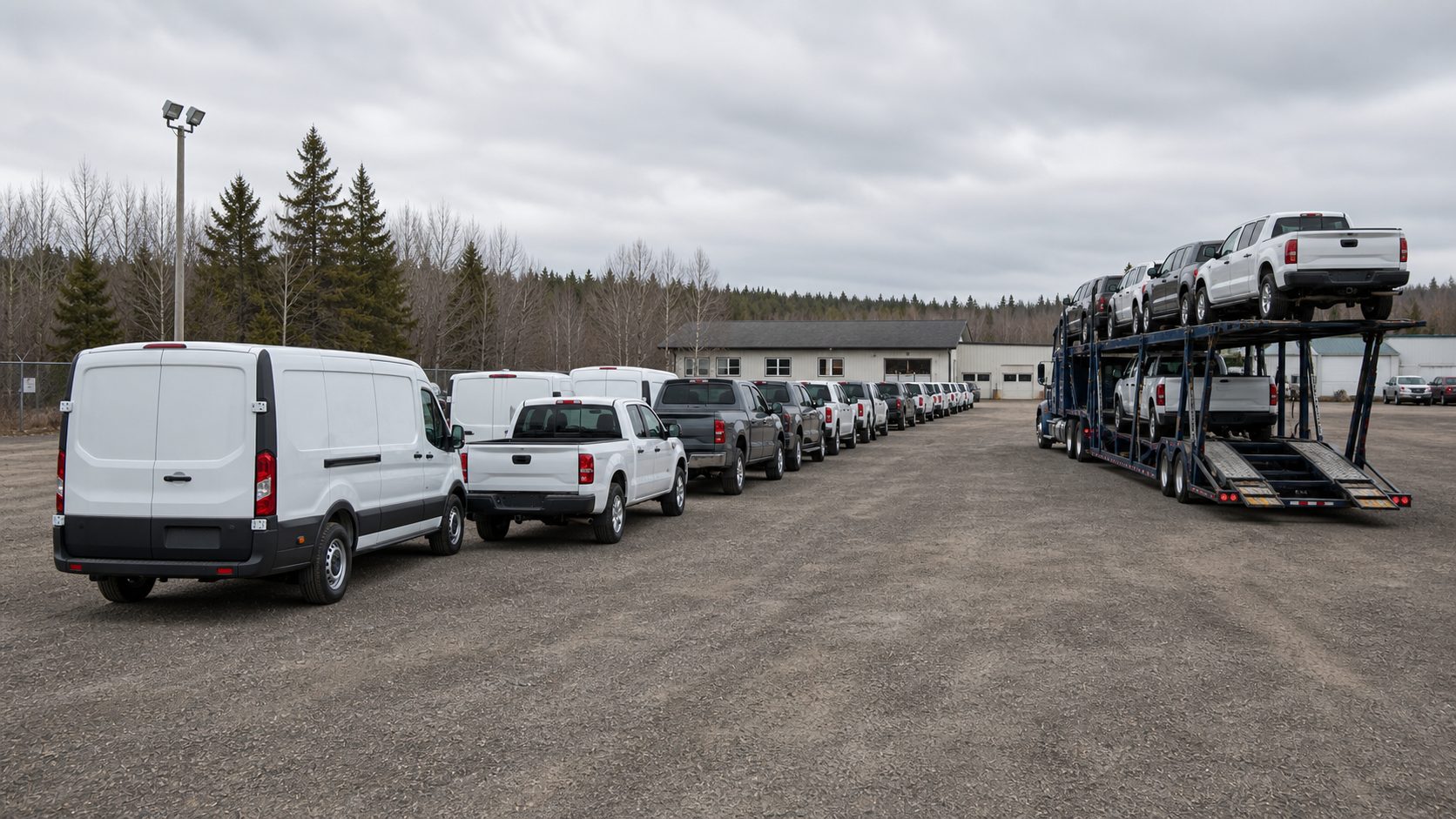
Multiple contacts need clear roles
Fleet work may involve an operations manager, yard contact, driver contact, receiving branch, repair facility, or customer site. Each person may know a different part of the move.
A useful request identifies who can release units, who can answer condition questions, who receives the units, and who should be called if timing changes.
Confirms keys, unit location, yard hours, and which vehicles are ready.
Confirms unloading area, delivery hours, and where units should be parked.
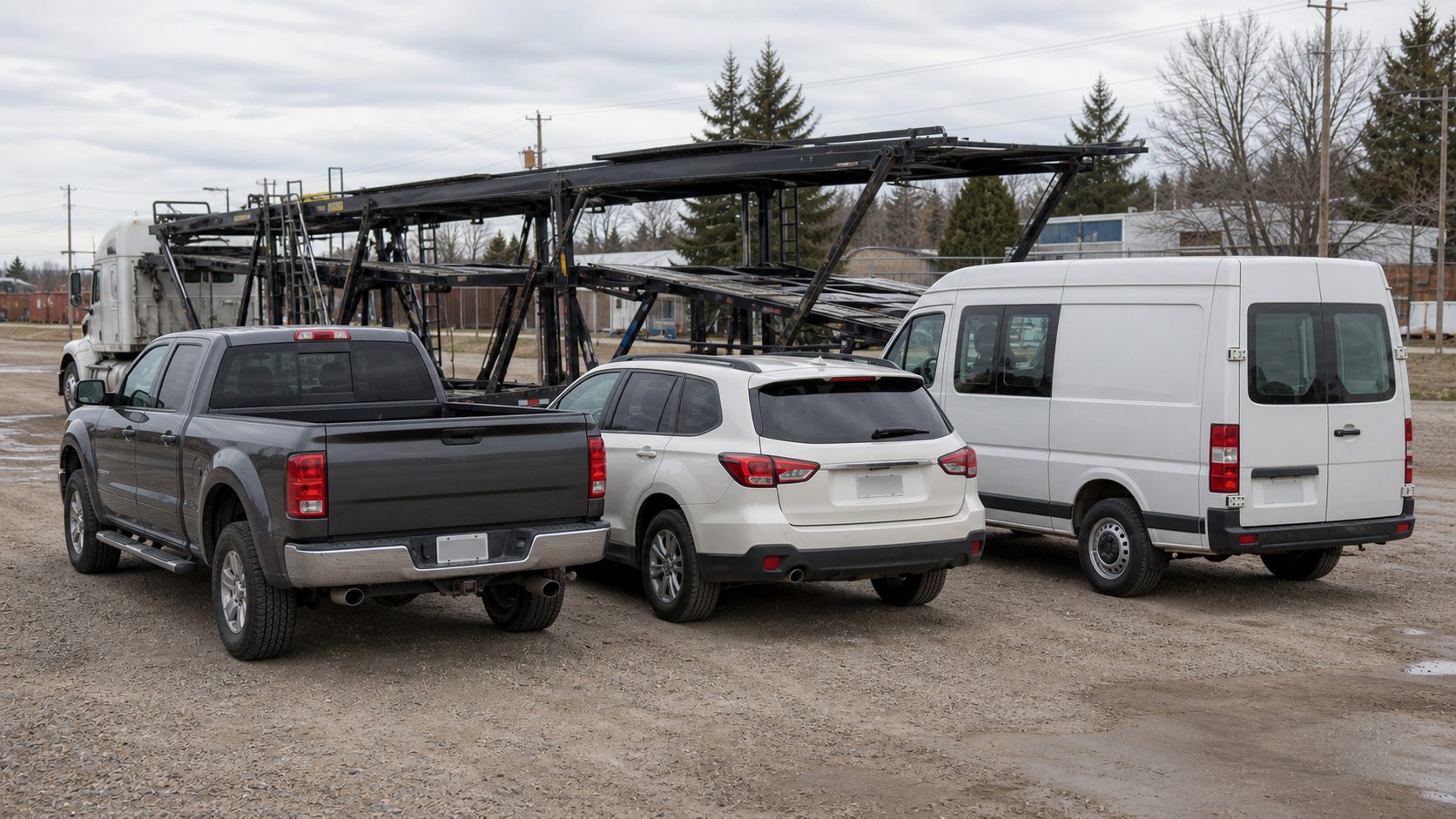
Staging can save time or create delays
Fleet units that are lined up, accessible, fueled or charged if needed, and ready with keys are much easier to move than units scattered across a site.
If some units are blocked, non-running, damaged, or in another location, separate them in the list. A clean staging plan prevents one problem unit from slowing the whole move.
Fleet moves benefit from repeatable information
Fleet transport often repeats across familiar lanes. The work gets easier when each request uses the same information structure.
That does not remove the need for review. It simply makes the changing details easier to see.
- Unit list and IDs
- Condition by unit
- Pickup and delivery contacts
- Staging location
- Timing window
- Special instructions by unit