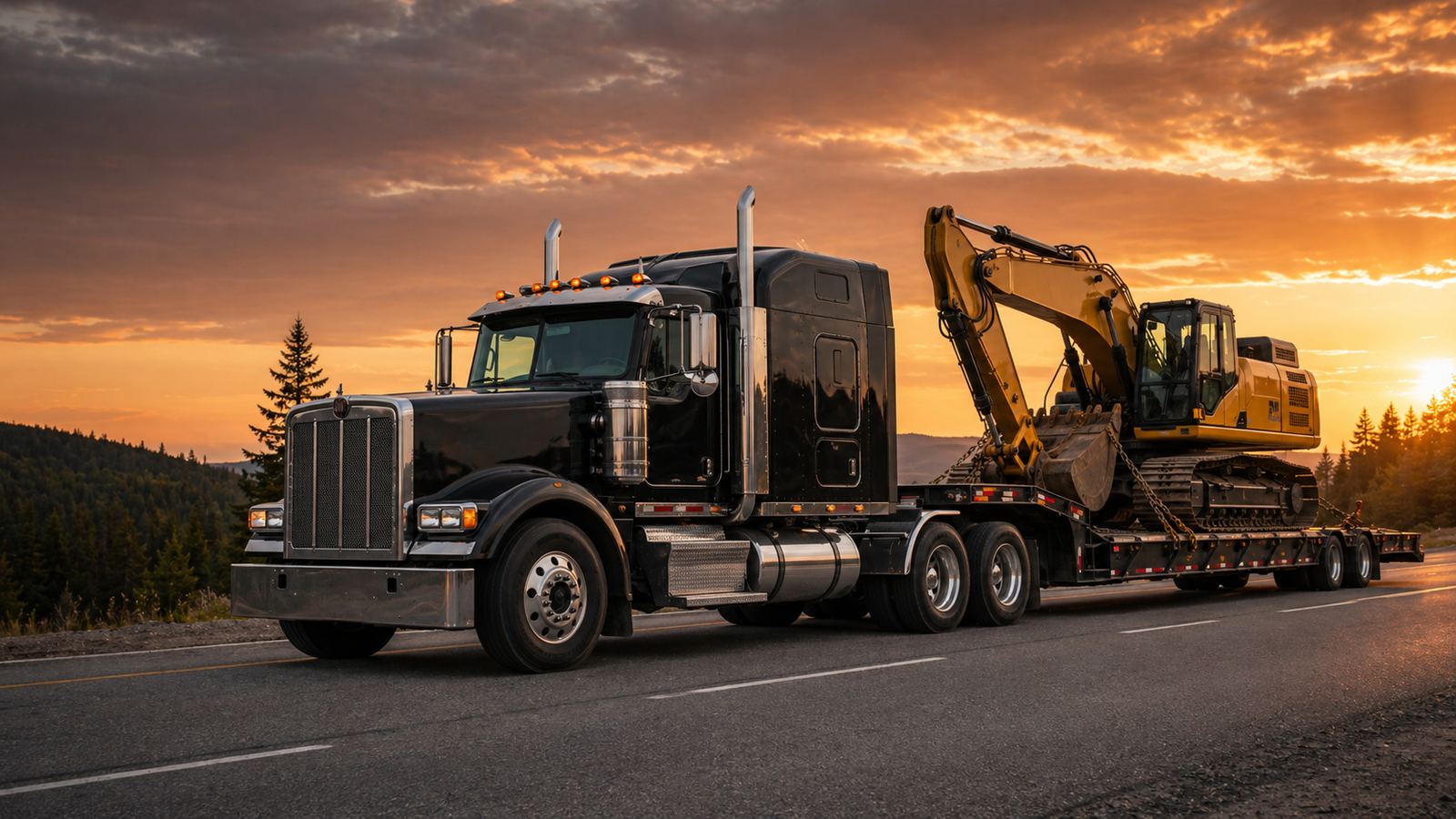
Regional does not always mean simple
Nova Scotia, New Brunswick, Prince Edward Island, Newfoundland and Labrador, and nearby corridor routes can include a wide mix of dealer lots, auctions, farms, jobsites, ports, and rural properties.
A move can be local or regional and still need careful review if access, timing, or loading conditions are sensitive.
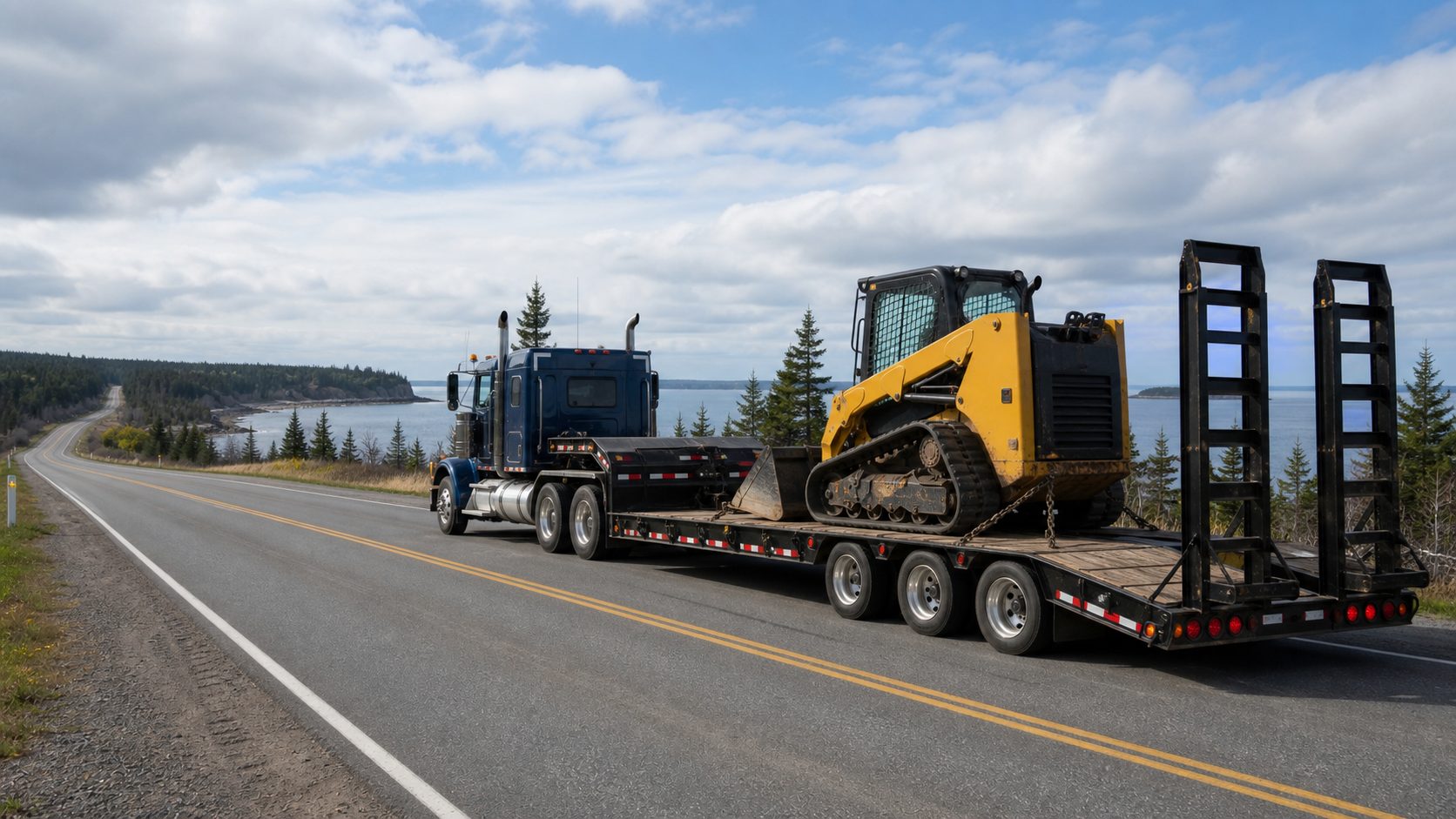
Rural and coastal access should be described
Many Atlantic moves involve rural lanes, coastal roads, island access, ferry schedules, steep driveways, small yards, or limited turnaround space.
Those details are normal, but they should be visible before the quote is reviewed. A wide access photo can explain more than a map pin.
In Atlantic Canada, the final mile can matter as much as the highway route.
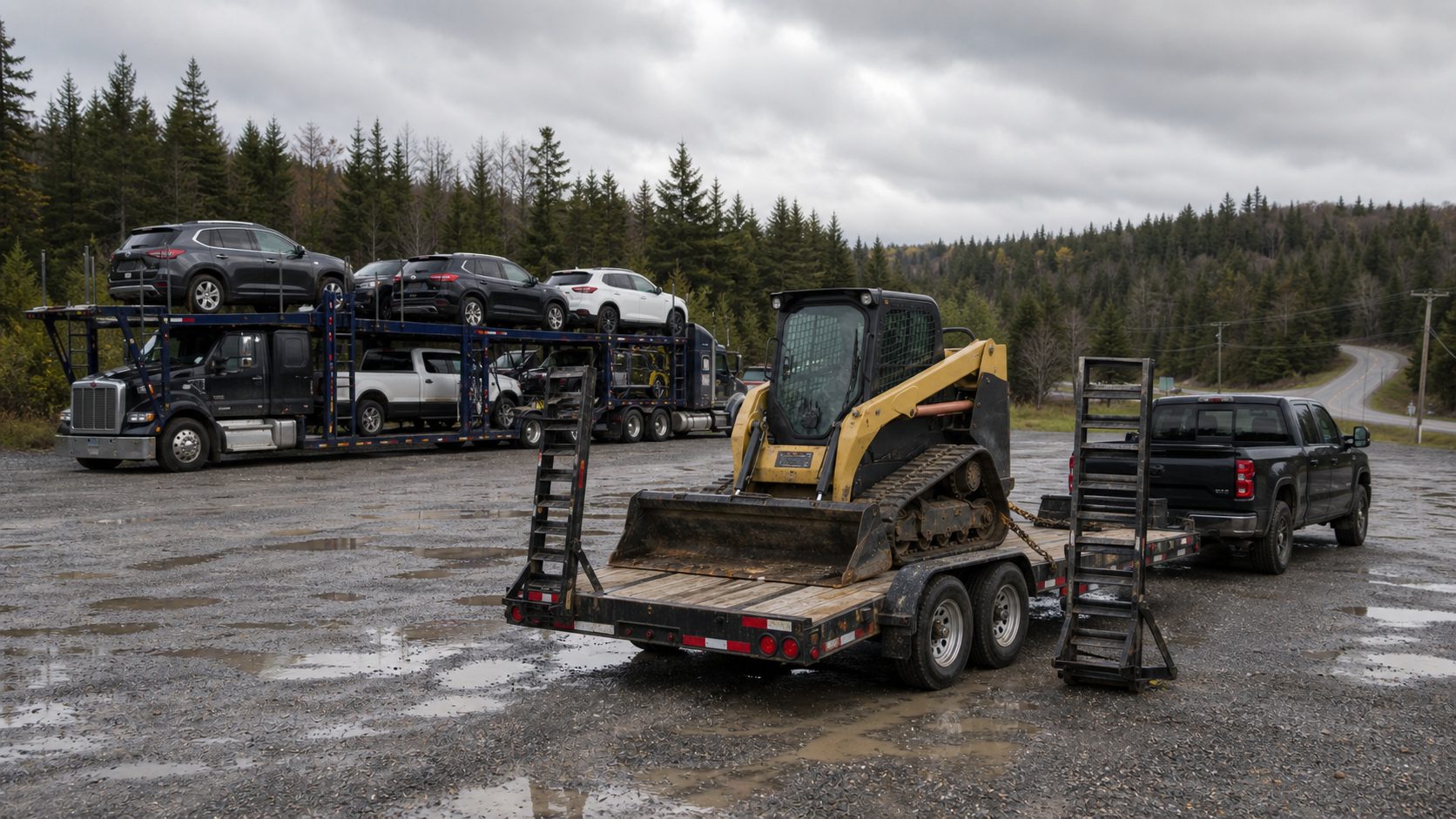
Common regional move types
Customers may be moving a vehicle bought privately, a dealer transfer, auction equipment, farm machinery, compact construction equipment, or a jobsite unit.
Each move type needs its own details, but the same practical questions come back: what is moving, where is it, what condition is it in, how can it load, and who receives it?
A better regional request is specific
A request that says "Halifax to New Brunswick" may start the conversation. A request that includes the actual pickup site, delivery contact, load details, access notes, and timing is much more useful.
Specific does not have to mean complicated. It means the real constraints are visible.
- Actual pickup and delivery locations
- Vehicle or equipment details
- Condition and photos
- Rural, ferry, or access notes
- Pickup and delivery contacts
- Timing flexibility